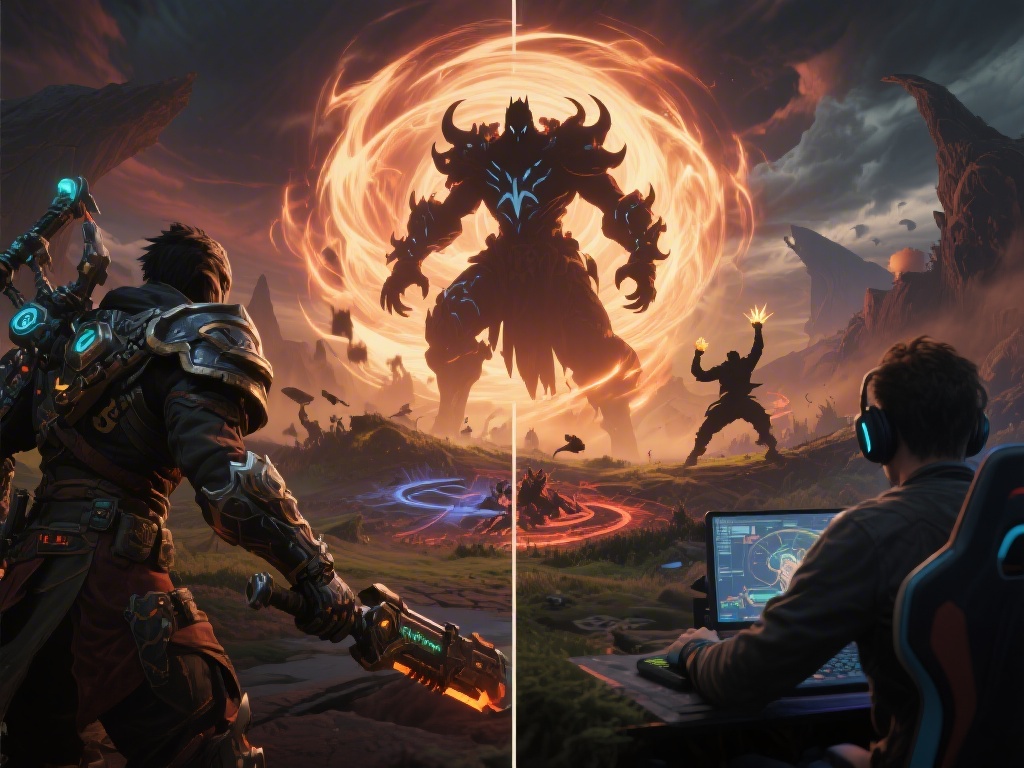
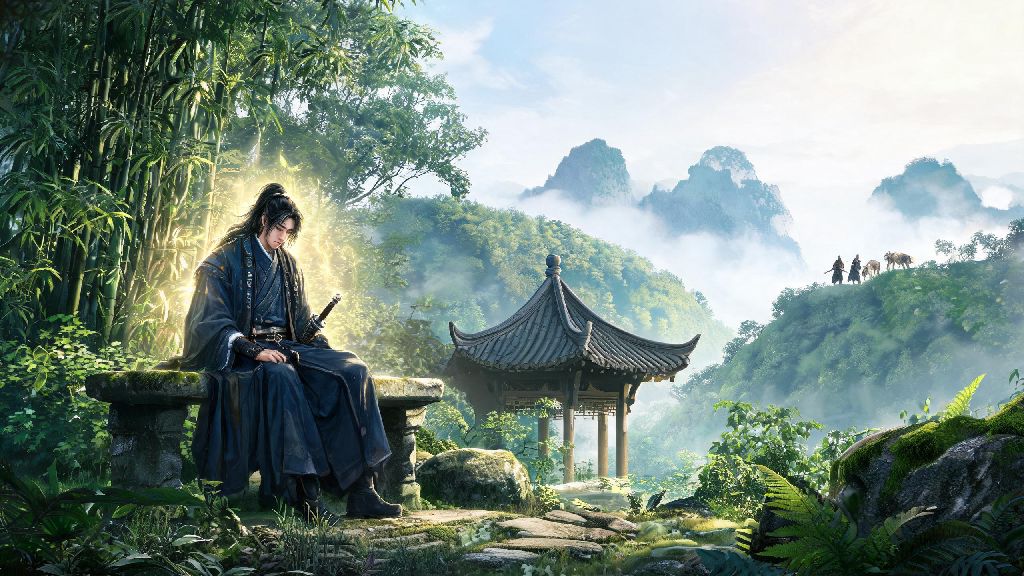
If you’ve been scrolling through upcoming wuxia game trailers lately, you’ve probably stumbled across the sweeping, sword-fueled world of Where Winds Meet, and asked where Winds Meet ARPG or MMORPG? I spent 20 hours playing the closed beta last quarter, so I can break down exactly what genre it falls into, and why the line between the two genres feels so blurry for this specific title. A lot of players mix up these two genres when looking at open-world games with multiplayer options, but there are clear markers you can use to categorize any game, including this one. We’ll cover everything from core gameplay loops to endgame content, so you know exactly what you’re getting into before you download it.
Where Winds Meet: ARPG or MMORPG Core Genre Breakdown
To answer this question clearly, we first have to lay out the core differences between ARPGs and MMORPGs. ARPGs, or action role-playing games, prioritize real-time skill-based combat, character build customization, and usually have a strong single-player story focus. MMORPGs, or massively multiplayer online role-playing games, prioritize persistent shared worlds, large-scale group content, and social features that support hundreds or thousands of concurrent players on a single server. The core single-player campaign of Where Winds Meet is built like a classic ARPG, with a linear main story, loot progression tied to combat performance, and skill trees that let you customize your playstyle from the first hour. It does have persistent online features, but they are optional for almost all core content, so you never have to interact with other players if you don’t want to. I noticed during my beta playthrough that even if you join a public server, you won’t run into hundreds of players in the same starting zone the way you would in most full MMORPGs. Player cap per server instance sits at around 120, which is far lower than the thousands most MMORPGs support per shard.
Key Features That Lean Into ARPG Design
Most of Where Winds Meet’s core design pulls directly from popular ARPG tropes, starting with its combat system. Class-specific build customization lets you mix over 100 active and passive skills for totally unique playstyles, whether you want to play as a fast dual-sword assassin, a heavy armored polearm fighter, or a support healer that uses traditional Chinese medicine to buff allies. Procedurally generated dungeons are another big ARPG marker, with randomized layouts, enemy spawns, and loot drops every time you enter, so you never run the same dungeon twice. The entire main story campaign is fully playable solo, with no forced grouping requirements to progress through main quests or unlock endgame content. Combat is fast-paced, reaction-based, and doesn’t have auto-play options common in many casual MMORPGs, so you have to learn attack patterns, dodge, and time your skills correctly to beat tough bosses. Loot is also tailored to your class 80% of the time, so you don’t have to grind for hours to get gear that actually works for your build.
Multiplayer Features That Feel Like MMORPG Content
The reason so many players get confused about the genre is that Where Winds Meet has a lot of MMORPG-style social and multiplayer features that you don’t usually see in single-player ARPGs. It has a persistent open world where you can team up with friends for world bosses, guild quests, and large-scale PvP battle royale modes that hold up to 60 players at a time. It also has a full player trading system, customizable player housing plots that you can show off to other players, and server-wide events that run on a fixed schedule, like the Imperial City Siege that runs every weekend for 30v30 faction battles. You can join guilds with up to 60 members, coordinate group dungeon runs, and even participate in cross-server PvP tournaments with rewards that carry over to your main server. I joined a random guild during beta and we took down a level 40 world boss that was impossible to beat solo, which felt exactly like the group content I used to grind in popular MMORPGs back in the day. The only thing missing is large 20+ player raids, which the devs have said they have no plans to add right now.
Which Player Type Is Where Winds Meet Best For?
You don’t have to be a fan of either genre specifically to enjoy Where Winds Meet, but it does fit some playstyles better than others. There’s no right or wrong way to play the game, but it will appeal most to these three groups of players:
- Solo wuxia fans who want a rich story-driven campaign with deep build customization, no pressure to group up for core content
- Casual multiplayer players who want to team up with 2-3 friends for dungeons or world events without committing to scheduled guild raids
- PvP lovers who want large-scale 30v30 battlefields or open-world open PvP zones with no long match-making queues
If you’re a diehard MMORPG fan who expects 24/7 server-wide events, thousands of concurrent players, and raids that require 20+ coordinated players, you might be disappointed by the smaller player cap per instance. But if you like the flexibility of switching between solo ARPG grinding and casual multiplayer content whenever you want, this game is perfect for you. The game has no mandatory subscription fee, which is a huge plus for players who don’t want to lock themselves into a monthly payment just to access all core content. You can buy cosmetic skins and optional convenience items in the in-game shop, but none of them give you a gameplay advantage over other players.
At the end of the day, the question of where Winds Meet ARPG or MMORPG has a pretty simple answer: it’s a hybrid that leans more heavily into ARPG core design, with optional MMORPG-style multiplayer features for players who want them. You don’t have to force yourself into one box to enjoy it, either. I’ve switched between grinding solo story missions one night and running guild PvP events the next, and the game handles both playstyles seamlessly. If you’ve been on the fence about trying it because you weren’t sure if it fit your preferred genre, give the open beta a shot when it drops next month. You might be surprised by how well it blends the best parts of both genres.