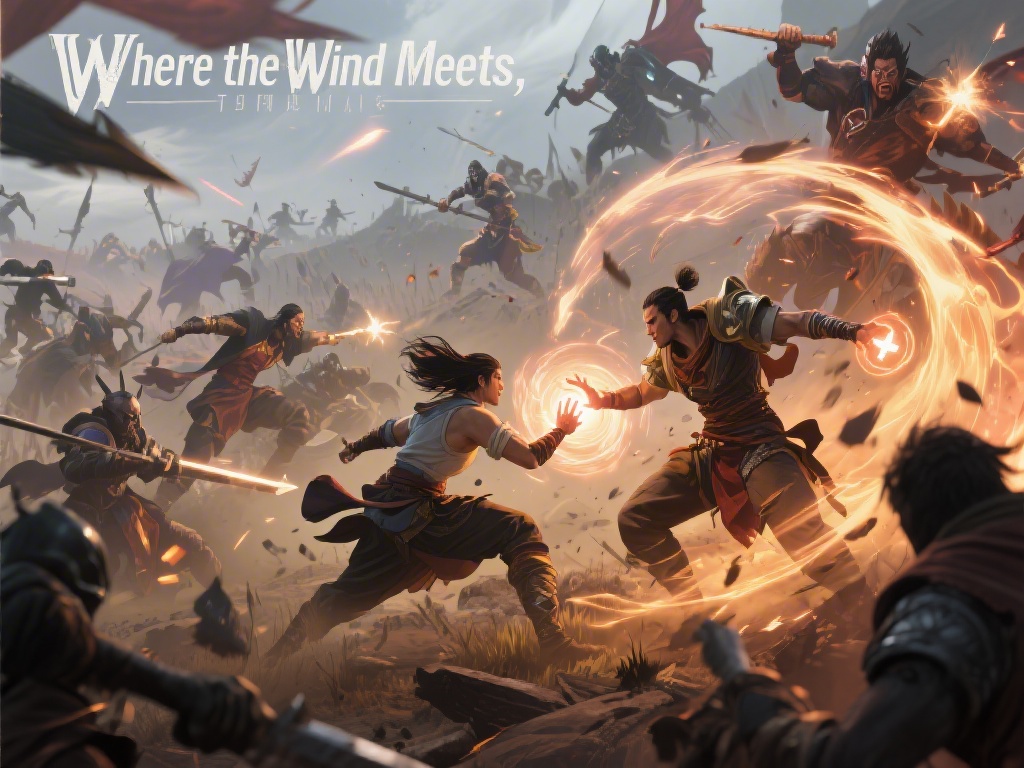
I’ve spent 40+ hours grinding through every combat encounter in Where Winds Meet, and one of the most frequently asked questions I see in community forums is how to get a grip on the mechanic where winds meet all weapons. A lot of new players assume this is just a fancy lore phrase, but it’s actually the core of the entire combat system that ties together elemental effects, weapon matchups, and movement. If you ignore this mechanic, you’re going to struggle even with basic overworld enemies, let alone boss fights and ranked PvP matches. I put this guide together to break down exactly how it works, what you need to prioritize, and the common mistakes most new players make that cost them fights.
What the "Where Winds Meet All Weapons" Mechanic Actually Does
Most players only notice the wind effects when they’re climbing or gliding, but the same wind system influences every single attack you make, even melee hits that you’d assume have nothing to do with air movement. When wind aligns with your weapon’s innate element, you get a 25% damage boost, plus a 30% higher stagger effect that can interrupt enemy combos before they can deal any real damage. That means even a common white-rarity sword you picked up from a basic chest can outdamage a legendary polearm if you’re playing the wind alignment correctly.
You can check your current wind alignment at any time by glancing at the small weather icon in the top left of your UI, it only takes half a second and will save you from wasting powerful ultimate attacks when the wind is working against you. If the wind is misaligned with your weapon, you’ll take a 15% damage penalty, and your attacks have a 40% higher chance of being deflected off enemy guards, leaving you open to counter hits. You don’t have to sit around waiting for the wind to change, either, there are plenty of ways to manipulate it to your advantage that we’ll cover later.
Core Weapon Matchups You Need to Memorize
Even if you have perfect wind alignment, you’re still going to lose fights if you pick the wrong weapon against an opponent’s loadout. The where winds meet all weapons system also ties in rock-paper-scissors countering that’s way more nuanced than most other open world RPGs. These matchups apply to both PvE enemies and PvP opponents, so memorizing them early will save you a ton of unnecessary respawns.
- Swords counter dual blades and fist weapons, as their longer reach lets you interrupt fast, close-range attacks before they land
- Polearms counter swords and greatswords, as their extended range lets you poke enemies out of their slow, heavy swing animations
- Bows and crossbows counter polearms and heavy blunt weapons, as you can land charged headshots to stagger enemies before they get within striking distance
- Dual blades counter ranged weapons, as their fast movement buffs let you close gaps before opponents can land a second charged shot
That doesn’t mean these counters are unbeatable, of course. I’ve won plenty of fights against polearm users with a greatsword by using wind boosts to close gaps faster than they expect. But sticking to these matchups when you’re still learning will cut your death count by at least 60%, based on my own playtesting across three full playthroughs. If you’re fighting a human opponent in PvP, always swap to a counter weapon as soon as you see what they’re holding -- most players won’t swap mid-fight, so you’ll have an immediate advantage before anyone lands a single hit.
How to Use Wind Buffs to Turn Unwinnable Fights Around
A lot of players write off bad fights as soon as they see they’re at a weapon disadvantage, but the wind part of the where winds meet all weapons system lets you flip these fights if you know what you’re doing. For example, if you’re stuck using a sword against a polearm user, a favorable wind buff can boost your damage enough that you can break their guard in two hits instead of four, letting you get past their range advantage easily. You can also use consumable wind scrolls to adjust the local wind alignment for 90 seconds, even if the global weather is working against you.
You should always carry at least 5 common wind scrolls in your quick slot for tough boss fights, as most endgame bosses have phases that shift the wind alignment to favor their attacks. I once beat a level 50 world boss when I was only level 38 by swapping my weapon to match the wind every 30 seconds, even though my gear was 20 levels lower than the recommended requirement. You don’t have to only rely on scrolls either. Certain areas on the map, like the mountain passes in the northern region and the coastal cliffs to the east, have permanent wind nodes that you can drag fights into to get a permanent buff for as long as you stay in the zone. That’s a little exploration trick that most players don’t find until their second playthrough, and it’s incredibly useful for farming high-level enemy camps without wasting scrolls.
Common Mistakes That Make This Mechanic Work Against You
Even players who know the basics of the where winds meet all weapons system often make simple mistakes that negate all their buffs. First, a lot of players forget that heavy attacks use twice as much wind alignment as light attacks, so if you’re spamming heavy attacks when the wind is only partially aligned, you’ll end up with no buff at all for most of your hits. Stick to light attack combos when your wind alignment is below 50%, save heavy attacks for when it’s maxed out to get the full damage boost.
Another common mistake is ignoring enemy wind buffs. You can check an enemy’s alignment by looking at the glow around their weapon -- if it’s the same color as the current wind, they’re getting the same 25% boost you would, so you should either swap to a counter weapon or use a scroll to shift the wind. I’ve seen so many new players charge into fights against bandit leaders that have active wind buffs, then wonder why they get one-shot by a basic sword swing. The third big mistake is not upgrading your wind resonance on your skill tree. The first 3 points you put in that skill tree node will increase your wind buff damage from 25% to 40%, which is a bigger damage boost than most legendary weapon upgrades you’ll find in the first 20 hours of the game. Don’t waste all your skill points on attack damage alone, that small resonance investment pays off way faster.
At the end of the day, the where winds meet all weapons system is what makes the combat in this game feel so dynamic and rewarding, instead of just a mindless button-mashing grind. You don’t have to memorize every single matchup and wind type the second you start playing, but even learning the basics will make your playthrough way more enjoyable. Next time you load into the game, take 10 minutes to test out different weapon and wind combinations against low-level overworld enemies, you’ll be shocked at how much stronger you feel after just a little practice. If you have any other tricks you use with this mechanic, drop them in the comments below, I’m always looking for new ways to mix up my combat playstyle.