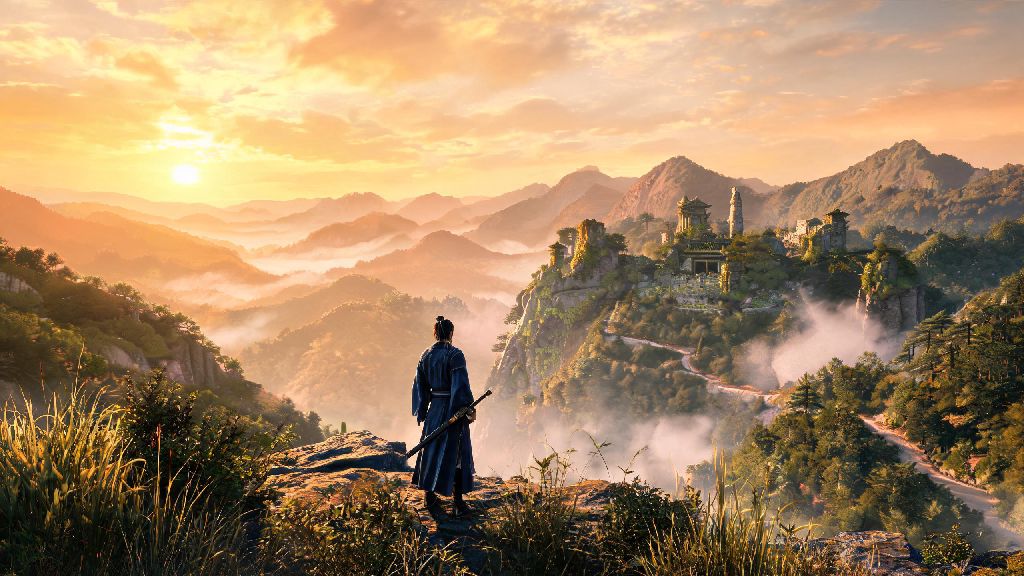
I’ve spent the last three weeks deep diving into the new wuxia open world RPG everyone’s been talking about, and the most common question I see popping up on forums and social media is is where winds meet good for players who don’t have dozens of hours a week to sink into a new game. I get the hesitation—there are so many open world titles launching right now, it’s hard to tell which ones are worth your time and money, especially if you’re used to more polished franchises like Genshin Impact or Ghost of Tsushima. I tested everything from the opening prologue to the mid-game faction quests and late-game boss fights to give you an honest, no-spoiler breakdown of what works, what doesn’t, and who this game is actually made for.
Is Where Winds Meet Good for Players Who Love Exploration?
If you’re the type of player who spends more time wandering off the main path than following quest markers, is where winds meet good enough to keep you occupied for months. The game’s 30-square-kilometer map is set in a lush, reimagined version of ancient China, with biomes ranging from misty bamboo forests and snow-capped mountain peaks to floating lotus lakes and bustling riverside towns. There’s almost no empty filler space, and nearly every hidden corner has a secret to find, from buried treasure chests and forgotten lore scrolls to unmarked side quest lines that unlock rare rewards.
One of the biggest standout features for explorers is the fully destructible environments that let you interact with the world in surprisingly creative ways. You can slash through bamboo groves to create hidden paths, break down stone walls to access secret caves, or even blow up sections of cliffside to reveal hidden ancient ruins. The dynamic weather that impacts traversal adds another layer of immersion too—strong winds will make gliding faster but harder to control, while heavy rain makes cliff surfaces slippery and more dangerous to climb. I spent three hours just wandering the southern bamboo forests last weekend without touching a single main quest, and I found a hidden quest line that unlocked a rare cloud mount I still use every time I log on.
Core Combat Mechanics That Make the Game Stand Out
For players who prioritize fun, dynamic combat over rigid class systems, is where winds meet good enough to justify the full price tag. The game’s wuxia-inspired combat system lets you mix and match skills from dozens of different martial arts schools, with no permanent class lock forcing you to stick to a single playstyle for your entire playthrough. You can switch between swordplay, hand-to-hand combat, archery, and even elemental magic mid-fight, letting you adapt to different enemy types and boss mechanics on the fly.
There are dozens of combat styles to unlock as you progress, but most players stick to a few core options that fit their preferred playstyle:
The no class lock means you never have to reroll a new character if you get bored of your current playstyle. I mostly stuck to Bamboo Sword Style for my first 20 hours of play, but I switched to Tai Chi Fist for the first major story boss fight, and it cut my clear time in half. Casual players can turn on easy mode and button mash their way through most fights if they just want to enjoy the story, while hardcore players can crank up the difficulty for punishing boss fights that require perfect timing and strategy to beat.
Side Content and Progression: No Filler, All Reward
One of the most common complaints I have about modern open world games is that most side content feels like lazy filler designed to pad playtime, but that’s not the case here. Nearly every side quest has a fully voice acted, unique story that ties into the game’s main lore about the conflict between rival martial arts factions. Many quests have multiple endings depending on the choices you make, and the rewards are almost always useful, not just cheap cosmetic junk you’ll never use.
The faction reputation systems are another highlight that adds a lot of replay value. There are 6 different factions you can align with, from noble warrior clans to secretive thief guilds, and leveling up your reputation with each unlocks exclusive combat styles, gear, mounts, and even unique faction-only quest lines that add dozens of hours of extra content. The best part is there’s no mandatory daily grind or FOMO-inducing limited time events to stress about. You can log in for an hour a week and still make meaningful progress, or sink 10 hours a day exploring every corner of the map without running out of things to do.
The crafting system is also surprisingly deep without being overly complicated. You can gather materials from the world to craft powerful weapons, healing potions, and even build a custom small house in any of the game’s safe zones, where you can store loot, display rare weapons, and even grow herbs for crafting. You don’t have to interact with the crafting system at all if you don’t want to, but it’s a fun extra for players who enjoy that type of gameplay.
What the Game Gets Wrong (And Who Should Skip It)
It’s not all perfect, though, and there are a few noticeable flaws that might make this game a bad fit for some players. First, the English voice acting is very hit or miss—main characters have solid, well-directed performances, but many side characters have flat, stilted delivery that can break immersion during emotional story beats. You can switch to the original Mandarin audio with English subtitles easily, which fixes this issue entirely, but if you only play games with English dubs, you’ll probably be disappointed.
The early game prologue is also surprisingly slow, and it takes roughly two hours to unlock all the core traversal and combat features. If you hate slow, hand-holdy tutorial sections, you might get frustrated before you get to the fun open world parts. The game also has performance issues on older PCs right now—even with all settings turned to low, I noticed consistent frame drops in crowded towns and large combat encounters when I tested it on a PC with a GTX 1660 GPU. The devs have released three performance patches in the last two weeks, so this issue is getting fixed quickly, but if you have an older rig, you might want to wait a few more weeks before buying.
You should also skip this game if you prefer linear, story-driven experiences with zero open world distraction. The main story is solid and well-written, but it’s easy to get sidetracked by hundreds of side quests and hidden secrets, so you’ll probably finish the main story 10 or 20 hours later than you planned if you’re prone to wandering off the main path.
At the end of the day, the answer to whether is where winds meet good depends entirely on what you’re looking for in a new game. If you love open world exploration, fluid wuxia combat, and stories that let you make your own choices, it’s absolutely worth picking up right now. If you prefer linear narratives, polished English dubbing, or have a very low-end PC, you might want to wait a few months for more patches and a possible sale. I’ve already put 42 hours into it and I’m still finding new secrets every time I log on, which is more than I can say for most open world games that launch these days.