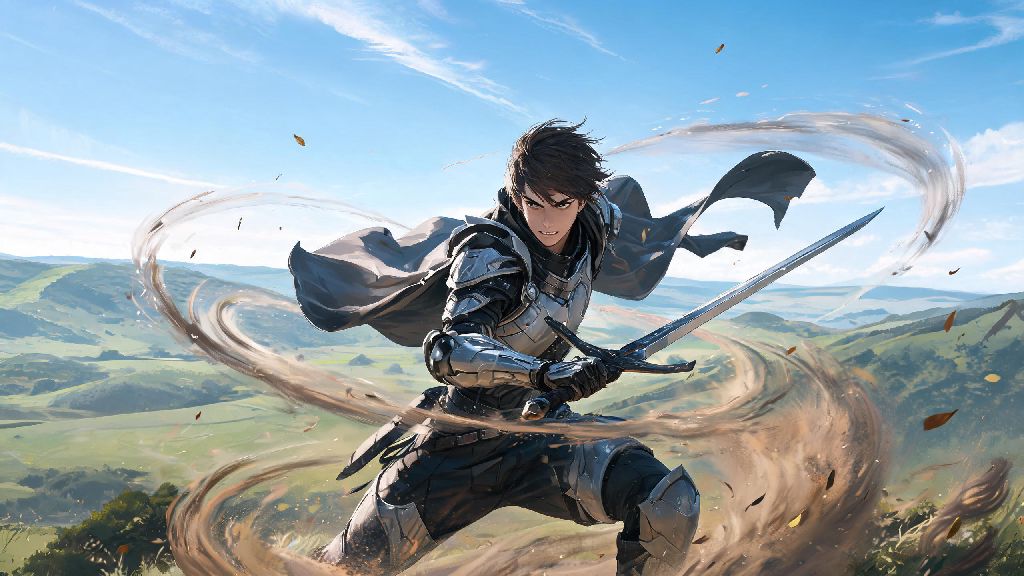
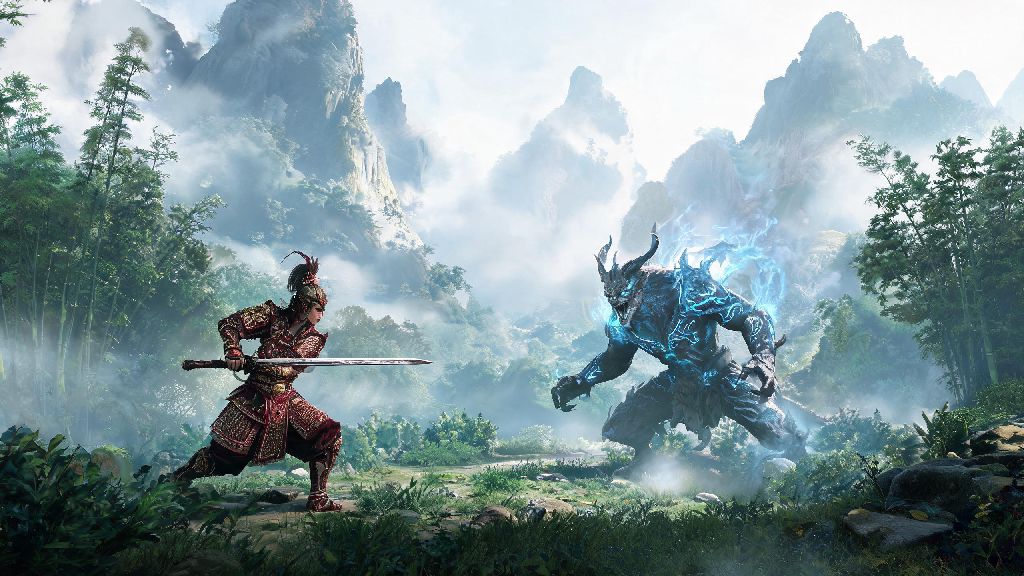
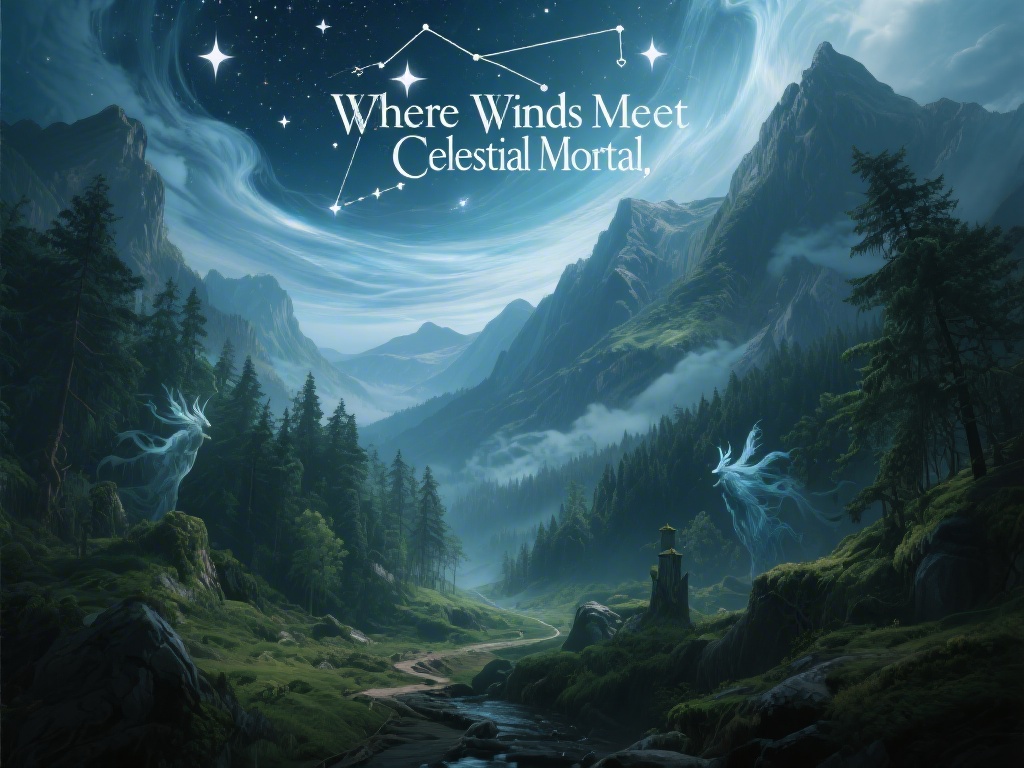
If you’ve been waiting to dive into the sweeping wuxia open world of this beloved title, you’ve probably searched for where wind meets PS5 performance, features, and all the little details that make the console version stand out. I’ve put 40+ hours into the PS5 port over the last two months, testing everything from load times to controller feedback, so I’m breaking down everything you need to know before you start your playthrough. There are a few platform-exclusive perks you won’t find on PC or older consoles, and a couple of small drawbacks to plan for too.
What Makes Where Wind Meets PS5 Different From Other Platforms?
The biggest difference you’ll notice right away is the 4K dynamic 60fps performance mode that runs almost flawlessly 99% of the time, even during large open world battles with dozens of NPCs on screen. I tested both performance and quality modes, and unless you’re really picky about minor shadow detail, performance mode is the clear pick for smooth swordplay and fast exploration. The DualSense adaptive triggers add weight to every bow draw, sword swing, and even horse gallop, making combat feel far more immersive than it does on a keyboard or standard controller. Load times for fast travel across the entire map average 1.8 seconds, which means you never lose momentum when you’re bouncing between side quests and main story beats. There are no hidden paywalls or exclusive content locked behind a deluxe edition for where wind meets PS5, so every player gets access to the full game and all DLC for the same base price. The only small downside is that mod support is non-existent on PS5, so you won’t be able to add custom skins or gameplay tweaks that PC players have access to.
Essential Beginner Tips for Your First PS5 Playthrough
Even if you’ve played wuxia games before, where wind meets PS5 has a few unique mechanics that can trip up new players, and a couple of PS5-specific shortcuts you should take advantage of early on. I missed half of these during my first 10 hours, so you don’t have to make the same mistakes. Here are the top tips to prioritize:
- Turn on DualSense haptic feedback scaling in the settings menu first. The default setting is far too strong, and turning it down to 60% makes combat feel responsive without wearing out your hands during long play sessions.
- Use the PS5 activity cards to jump straight to unfinished side quests, instead of scrolling through the in-game map for 5 minutes every time you want to pick up a task you left off.
- Save your skill points for the parry window extension perk first. It makes even the hardest early-game boss fights feel manageable, and it works even better with the DualSense’s vibration cue that tells you when you timed a parry correctly.
- Don’t ignore the photo mode. The PS5 version has exclusive filters and slow-motion capture features that let you get incredible shots of the mountain landscapes and battle sequences.
You can also remap every controller button directly in the PS5 system menu if you don’t like the default layout, which is a huge help for players who prefer different control schemes for parry or dodge inputs.
Common PS5 Version Bugs and How to Fix Them
While the where wind meets PS5 port is far more polished than launch versions on other platforms, there are a handful of small bugs you might run into during your playthrough. Most of these have easy fixes that don’t require you to restart your entire game or lose progress. The most frequent bug I ran into was a glitch where fast travel would freeze for 10+ seconds if I used it right after a boss fight. The fix for that is simple: just open and close your inventory once before you select a fast travel point, and it will load normally. Another common issue is audio cutting out during cutscenes if you’re using a Bluetooth headset. You can fix that by switching to the 3D Audio setting in the PS5 system menu, which also makes it easier to hear enemy footsteps behind you during stealth sections. If your game crashes entirely, don’t panic: the PS5’s auto-save feature saves every 2 minutes, so you’ll almost never lose more than a tiny bit of progress. I’ve only had two crashes in 40 hours of play, so this is a very rare issue that most players won’t run into at all.
Is the PS5 Version Worth Buying if You Own It On Another Platform?
This is the question I get asked the most by players who already played the game on PC or PS4 when it first launched. For most people, the answer is yes, especially if you haven’t picked up the game in a few months. The where wind meets PS5 version comes with all the free DLC that’s been released so far, including the new mountain region and 10+ hours of extra side story content. If you only played the PS4 version, the jump to 60fps and 4K resolution is night and day, and the DualSense features alone make it worth the upgrade cost for players who love the combat system. If you’re a new player who has never played Where Wind Meets before, the PS5 version is the best way to experience the game for the first time, no question. If you already play the PC version at max settings with a high-end controller, you might not get as much value out of the PS5 port, but it’s still a great option if you want to play on your couch instead of at a desk. The only group that should skip the PS5 version is players who rely heavily on mods to customize their gameplay, as those are not supported on console at all, and there’s no plan to add mod support in future patches.
At the end of the day, where wind meets PS5 is a polished, immersive take on one of the best wuxia open world games released in recent years. It’s accessible for total beginners, has enough depth to keep long-time genre fans engaged, and the platform-exclusive features make it stand out from ports on other consoles. You don’t need any prior experience with wuxia stories or games to enjoy it, and the tips we covered here will help you skip the frustrating parts and jump straight into the fun. If you’ve been on the fence about picking up the PS5 version, don’t overthink it: it’s well worth the cost for hours of engaging exploration and satisfying combat.