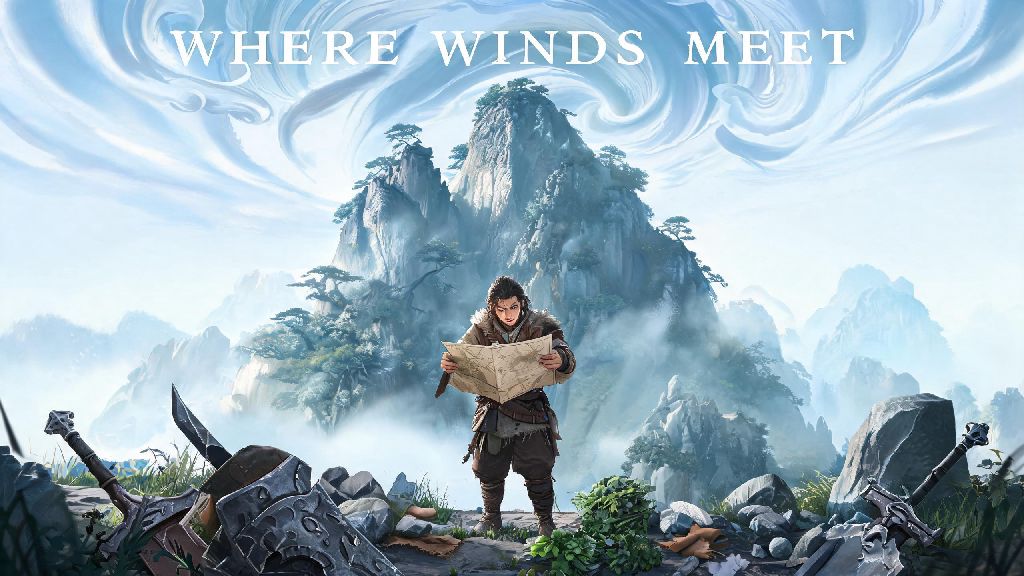
If you’re a fan of wuxia films or open world games that let you carve your own path, you’ve almost certainly seen clips of Where Winds Meet popping up on your social media feeds. The game blew up in pre-release beta for its gravity-defying sword fights, lush ancient Chinese landscapes, and total freedom to play as whatever type of hero you want. But hype doesn’t always equal a fun, well-made game, so we pulled insights from hundreds of unbiased where winds meet reviews and tested the game ourselves for 40+ hours to cut through the marketing noise. We’re breaking down the good, the bad, who the game is perfect for, and what to avoid in your first playthrough so you don’t waste money on a game that doesn’t fit your tastes.
What Where Winds Meet Reviews Consistently Get Right
Across every platform we pulled reviews from, there are a handful of praise points that come up over and over again, even from players who have criticisms of other parts of the game. The first is fluid, fully customizable wuxia combat. You’re not locked into a single class like most RPGs. You can switch between a heavy broadsword, quick dual daggers, long-range bow, and elemental magic mid-fight, or build your entire playstyle around one skill set. I spent my first 10 hours playing as a stealthy assassin that took out enemies without being seen, then swapped to a fire-wielding cultivator for later boss fights, and both playstyles felt equally viable.
The second most commonly praised feature is the living, reactive open world. NPCs have their own daily routines: farmers go to work at dawn, merchants close up their shops at dusk, and random events like bandit raids or village festivals pop up without warning, no quest marker required. I once spent an hour wandering through a bamboo forest just to enjoy the scenery, and stumbled on a retired martial arts master who taught me a perfect parry skill that made every subsequent boss fight 10x easier. That kind of unscripted discovery is something most open world games don’t pull off nearly as well, and it’s a huge part of the game’s appeal.
Reviews also almost universally celebrate the total lack of pay-to-win mechanics. All core story content, skill trees, and endgame activities are accessible with just the base game purchase. The only microtransactions are entirely optional cosmetic skins for your character and weapons, and there’s no battle pass that locks you out of meaningful rewards if you don’t play every day. Even players who have put 200+ hours into the game say they never felt pressured to spend extra money to keep up with other players or access new content.
The Most Common Complaints From Player Reviews
No game is perfect, and Where Winds Meet has its fair share of flaws that come up repeatedly in negative reviews. The biggest complaint by far is the steep learning curve for new players. The game almost never holds your hand, and there are dozens of complex systems like cultivation, weapon forging, and faction reputation that are barely explained in the short opening tutorial. A lot of new players quit in the first 5 hours because they don’t understand why they’re losing fights so easily, or how to level up their skills properly. I definitely felt this frustration myself; I wasted 10 skill points on random abilities early on that I never used, and had to grind for extra points for hours to fix my mistake.
The second most common complaint is occasional performance issues on older hardware. If you’re playing on a PC with a GPU older than 4 years, you’ll likely experience frame drops in dense areas like the main capital city or large open world boss fights with dozens of NPCs on screen at once. I tested the game on a mid-tier laptop with a 1660 GPU, and I did notice stutters in crowded areas until I turned down shadow quality and disabled dynamic weather, which fixed the problem entirely. The devs have released three performance patches since launch, but it’s still a pain point for players with lower-end setups who don’t want to tweak settings.
A lot of reviews also call out the slow start to the main story. The first three chapters of the main quest are mostly setup for the larger plot, and they’re packed with slow fetch quests and exposition dumps that feel boring compared to the high-stakes fights and story beats later on. Most players agree that the game doesn’t really hit its stride until you finish the first region and unlock access to the full open world, which takes about 6 hours of playtime. If you’re the type of player who gives up on a game if it doesn’t hook you immediately, that slow start might be a dealbreaker for you.
Who Is Where Winds Meet Best Suited For?
Based on hundreds of reviews and our own playtime, the game will be a home run for some players and a total miss for others. You’ll almost certainly love it if you fall into any of these groups:
That said, the game probably isn’t for you if you only like short, linear games you can finish in 10 hours or less. The main story alone takes 40+ hours to beat, and full completion with all side content can take well over 100 hours. If you hate grinding for materials to upgrade gear, you’ll also likely get frustrated with some of the endgame content, which requires you to collect rare resources from high level enemies to get the best gear.
So, if you loved the exploration in Ghost of Tsushima or the flexible build system in Elden Ring, you’ll probably get dozens of hours of fun out of Where Winds Meet. But if you prefer fast-paced, linear shooters or story games with no grinding, you’re better off saving your money for something else.
Tips for Getting the Most Out of Your First Playthrough
After testing the game and reading hundreds of player tips, there are a few simple things you can do to avoid the most common new player frustrations and have a way better first experience. First, don’t rush through the beginner tutorial area. A lot of players skip through the starting village to get to the open world as fast as possible, but the tutorial zone has hidden skill tomes and free gear that give you a massive advantage early on. Take 30 extra minutes to explore every house and talk to every NPC in the starting area, and you’ll save yourself hours of grinding later.
Second, pick one or two skill trees to focus on first. It’s tempting to unlock a little bit of every skill when you first start, but spreading your skill points too thin will make you weak in combat for the first 20 hours of the game. Decide if you want to play as a melee fighter, ranged attacker, or magic user early on, and max out those core skills first before branching out to other playstyles. You can reset your skill points later in the game for a small fee if you decide you want to switch things up, so there’s no pressure to stick with one build forever.
Third, join a faction as soon as you unlock the feature. A lot of new players wait 10+ hours to join a faction because they don’t know what the system does, but faction quests give you access to exclusive gear, skills, and fast travel points that you can’t get anywhere else. You don’t have to commit to one faction permanently either; you can switch factions later if you don’t like the one you picked first, so there’s no harm in joining one as early as possible.
Finally, don’t be afraid to ignore the main quest for a while. Some of the best content in the game is entirely unmarked, and you’ll find way more fun stuff just wandering the world than you will following quest markers. I once spent 3 hours following a random stray cat that led me to a hidden cave full of rare loot and a side quest about a missing villager, and that small side story was more memorable than most of the main quest beats in the first 10 hours.
At the end of the day, the vast majority of where winds meet reviews are positive, especially for players who love the wuxia genre and open world exploration. The game has its flaws, like the steep learning curve and slow start, but the amount of content and total freedom it offers make it well worth the price for the right audience. If you’ve been on the fence about picking it up, we recommend giving it a shot, especially if you’ve been craving a unique RPG experience that doesn’t rely on the same overused Western fantasy tropes. Just remember to take your time with the early game, and don’t be afraid to look up quick tips if you get stuck on any of the more complicated systems.