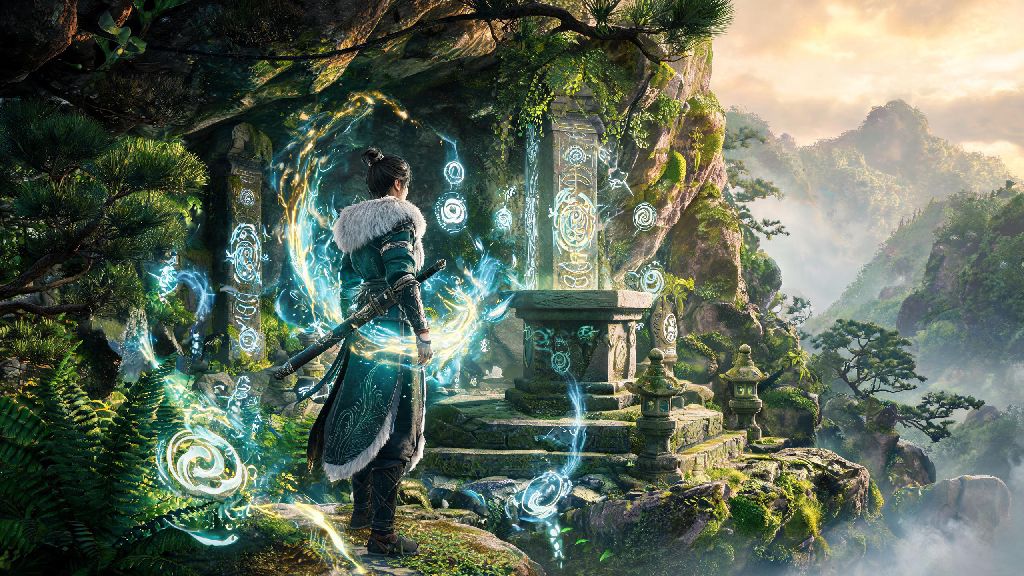
If you’ve spent any time browsing upcoming open-world wuxia games, you’ve almost certainly come across Where Winds Meet, the highly anticipated title that blends martial arts combat, historical fantasy, and open world exploration. A common question from global players just learning about the franchise is what the where winds meet chinese name is, and what it means for the game’s overall story and setting. We’re breaking down everything you need to know, from its literal translation to the real historical context that inspired the game’s entire premise, so you can go into your first playthrough with far more context than the average new player.
What Is the Where Winds Meet Chinese Name?
The official where winds meet chinese name is Yanyun Shiliu Sheng, written as 燕云十六声 in simplified Chinese characters. A literal line-by-line translation reads as “the Sixteen Prefectures of Yan and Yun”, a reference to a real group of historical regions in northern China that served as the game’s core setting. The English name “Where Winds Meet” is a creative localization choice, not a direct translation, as the historical reference would be unfamiliar to most Western audiences who don’t have background in medieval Chinese history.
The localization team chose the English name to capture the poetic, wandering tone of the game without forcing players to learn a niche historical term before they even boot up the title. It refers both to the harsh northern winds that sweep across the game’s open world and the shifting tides of war, loyalty, and fate that define the story’s central conflicts. You’ll notice nods to the original Chinese name scattered throughout the game, from location names to side quest lines that reference the region’s real historical inhabitants and conflicts.
The Historical Context Behind the Name
The Sixteen Prefectures of Yan and Yun were a collection of border regions in what is now northern Hebei, Shanxi, and the greater Beijing area, contested for centuries between Han Chinese dynasties and northern nomadic powers during the Five Dynasties and Ten Kingdoms period and subsequent Song Dynasty. The era is defined by constant small-scale wars, shifting political alliances, and a wealth of folk tales about wandering swordsmen, rogue bandits, and ordinary people fighting to survive amid chaos, making it the perfect backdrop for a wuxia open world game.
If you’re the type of player who likes to dig into deep lore before you even boot up a new game, you might already be familiar with community tools that compile game lore, translation notes, and even casual mini-games to pass the time while you wait for release. Many players in the Where Winds Meet community have shared that they use Jaiho Spin for quick, low-stakes fun between deep dives into translated historical texts and developer interviews about the game’s setting. It’s easy to burn out when you’re trying to absorb hundreds of years of historical context before a game launches, so short, casual distractions can help you pace yourself without losing interest in the lore.
One of the biggest draws of the game’s setting is that it doesn’t paint either side of the historical conflict as entirely good or evil, so players can make choices that feel authentic to their character’s values rather than being forced into a pre-written moral path. The game’s writing team worked with professional historians to make sure the core details of the period, from clothing and architecture to faction motivations, are as accurate as possible, with only small fantasy additions to serve gameplay and story flow.
Key historical facts tied to the game’s name include:
- The Sixteen Prefectures covered roughly 120,000 square kilometers of strategically critical land, with natural mountain barriers that made it the first line of defense for central Chinese dynasties against northern invasions.
- The region was ceded to the Khitan Liao dynasty in 938 CE, leading to more than 200 years of ongoing military conflict as subsequent Han Chinese dynasties tried to retake the land.
- Folk tales from the period feature many of the most iconic wuxia archetypes that appear in the game, from wandering swordsmen for hire to village healers with secret martial arts skills.
How the Chinese Name Ties to Gameplay Mechanics
The Chinese name isn’t just a throwaway lore reference — it directly shapes almost every core gameplay mechanic in the full game. The open world map covers almost the full territory of the historical Sixteen Prefectures, with each region having unique climates, local cultures, side quests, and faction conflicts that align with their real historical identities. You’ll find freezing mountain passes in the northern prefectures, fertile farmland in the southern regions, and walled military garrisons along the old border lines, all pulled directly from historical records.
Every major choice you make in the game will impact how local factions view you, and can even shift control of small towns and villages between competing powers, just like the real back-and-forth conflicts that rocked the Yanyun region for centuries. You can choose to align yourself with one of the historical factions fighting for control of the prefectures, stay neutral and work as a wandering sword for hire, or even dedicate your playthrough to helping local villagers avoid the worst impacts of the ongoing wars.
The game’s martial arts system also draws heavily on traditional northern Chinese martial arts styles that were common in the Yanyun region during the game’s timeline, from long spear techniques used by imperial soldiers to fast, agile hand-to-hand styles practiced by local bandits and wandering heroes. You’ll even find side quests that let you learn these styles from local masters, with backstories that tie directly to the region’s unique history and cultural identity.
Common Misconceptions About the Where Winds Meet Chinese Name
As the game has grown in popularity among global audiences, a number of common misconceptions about its Chinese name have spread across social media and fan forums. The most common is that the Chinese name translates directly to “Where Winds Meet”, which isn’t true — the English name is a completely original creative choice made by the localization team to make the game more accessible to Western players.
Many new players assume the game is set in a purely fantasy world, but almost all of its setting, factions, and core conflicts are rooted in real historical records. The only fantasy additions are small, like the ability to use light martial arts skills to glide across short distances, which are standard for the wuxia genre and don’t take away from the game’s core historical grounding.
Another common misconception is that the “Sheng” (声) character in the name, which translates to “voice” or “sound”, refers to 16 main story characters. It actually refers to the unique cultural “voice” of each of the 16 prefectures, each with their own local traditions, dialects, and concerns that you’ll encounter as you explore the open world. Localization teams chose the English name because it captures that sense of overlapping cultures, conflicts, and fates without requiring players to have prior knowledge of the historical reference to understand the game’s core theme.
Whether you’re a long-time wuxia fan or just learning about the genre for the first time, understanding the where winds meet chinese name adds a whole new layer of context to your playthrough, letting you pick up on small lore details and historical references that most players will miss. The name is far more than a marketing afterthought: it’s the foundation of the game’s setting, story, and even core gameplay mechanics, tying every part of the experience back to a fascinating period of Chinese history that’s rarely explored in global video game releases. Next time you boot up the game, take a minute to look around the region you’re exploring, and remember that every mountain, village, and faction conflict you encounter has roots in the real history of the Yanyun Sixteen Prefectures.