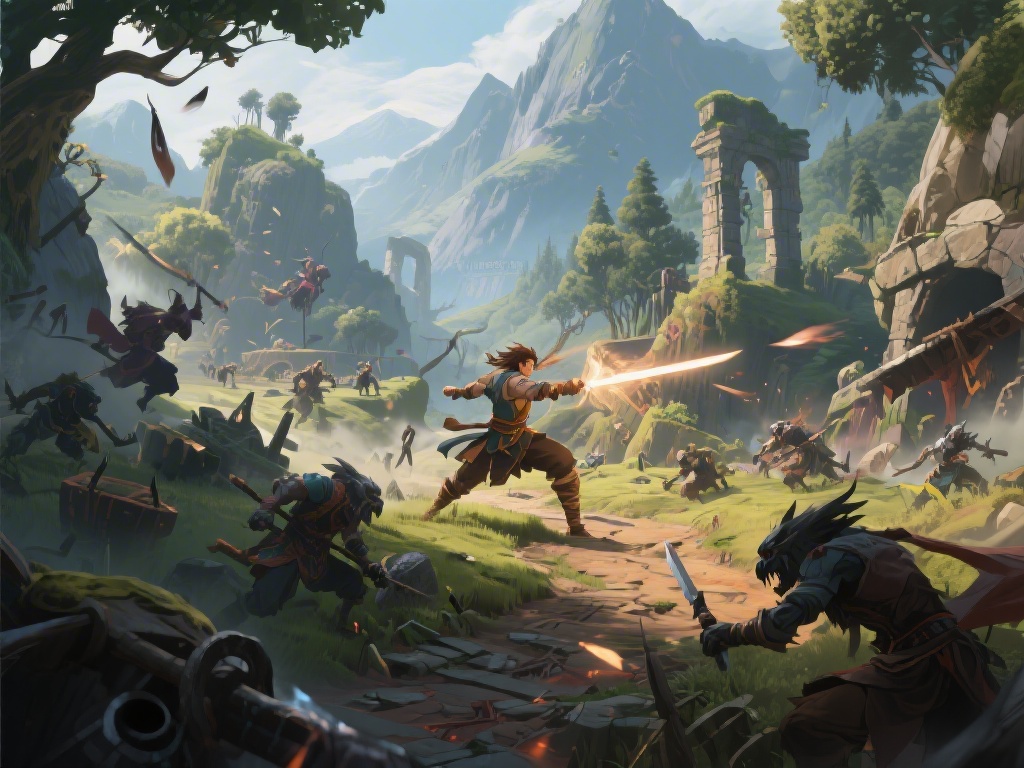
If you’ve spent hours wandering the misty mountain paths and river valleys of this open-world wuxia game, you’ve probably stumbled on small, unmarked moments that feel way more rewarding than any main story quest. I’ve lost count of the times I’ve veered off a marked path just to chase a flock of cranes or investigate a strange flute sound, only to find exactly where winds meet adventure slips: quiet, unadvertised spots that hold rare loot, unique side quests, or just stunning views you won’t find on any official map. Most new players rush through main story beats to unlock skills and gear, but slowing down to hunt for these hidden moments will make your playthrough feel far more personal and rewarding. I’ve put together all the tips I’ve picked up over 120 hours of gameplay to help you spot these secrets without wasting hours wandering aimlessly.
How to Spot Where Winds Meet Adventure Slips on Your Travels
The game doesn’t hand these secrets to you, but it does leave small, easy-to-miss clues if you know what to look for. I used to walk right past these spots until I noticed that every secret area has at least one small environmental tell that sets it apart from generic open world scenery. These clues are subtle enough that they don’t break immersion, but obvious once you train yourself to look for them. For example, you’ll rarely find an adventure slip in a flat, empty field with no unique features. Unusual weather patterns in a small, localized area are one of the most reliable signs you’re near a hidden secret. I once found a hidden tavern run by a retired sword master after I noticed a small patch of floating cherry blossoms in an area that was otherwise covered in snow. Another common cue is unusual wildlife behavior, like birds that all fly in the same direction when you get close, or deer that stop grazing and stare at a specific rock or tree instead of running away from you. Pay extra attention if you hear ambient sound effects that don’t match the area, like distant singing, flute music, or the clink of tea cups when you’re in the middle of a forest with no buildings in sight.
- Small clusters of glowing dandelions that don’t appear anywhere else on the map
- Stone cairns or small shrines that aren’t marked as fast travel points or quest locations
- Broken wooden carts or abandoned camps with half-eaten food and intact supply packs
- Strange scratch marks on rock faces or tree trunks that form a clear path
None of these cues are loud or flashy, so you’ll need to turn off quest markers for 10 or 15 minutes every hour to really scan your surroundings. It’s tempting to keep your eye locked on the golden quest line at the top of your screen, but you’ll miss 90% of these hidden moments if you only follow marked paths.
The Most Rewarding Types of Adventure Slips You Can Find
Not all hidden secrets are made equal, and some are well worth going out of your way for even if you’re trying to progress through the main story quickly. I’ve found everything from useless junk to game-changing rare skills in these spots, so you can save time by knowing which types are worth stopping for. Rare crafting recipe scrolls are one of the most valuable finds, especially early in the game when you can’t buy high-tier healing or weapon enhancement recipes from shops. I found a recipe for a frost resistance potion in a hidden cave near the northern mountain range that let me explore the snow biome 10 levels earlier than I was supposed to, which gave me a huge leg up on gear and experience. Another common and useful reward is unique companion side quests, where you meet a temporary ally that will join you for a few quests and give you a permanent stat boost once you complete their story line. Some adventure slips are just for fun, too: I once found a hidden cliffside tea house where you can play a board game against an old monk, and if you win he gives you a free fast travel token that works anywhere on the map. Even the smaller, low-reward spots are usually worth checking out, because they often add small bits of world lore that make the game’s story feel far more fleshed out. You don’t have to stop for every single one, but if you’re passing a spot that has multiple cues, it’s almost always worth a quick detour.
Common Mistakes That Make You Miss Adventure Slips
I made all of these mistakes during my first playthrough, and I only realized how much I missed when I went back to re-explore areas I thought I’d fully cleared. The biggest mistake most new players make is always traveling by fast travel or mount when they’re moving between quest points. Mounts move too fast to spot small environmental cues, and fast travel skips entire stretches of map that are packed with hidden secrets. I now make a point to walk between quest points if they’re less than a kilometer apart, and I’ve found three times more hidden spots since I switched to this habit. Another common mistake is ignoring areas that are marked as “low level” once you’ve outleveled them. Low level starting zones have some of the best hidden secrets in the game, including permanent stat boosts that work for your entire playthrough. I went back to the starting village 30 hours into my game and found a hidden quest from an old farmer that gives a +5% permanent health boost, which was way more useful than any of the gear I was chasing in high level zones at the time. Don’t write off a spot just because the enemies there don’t give you much experience anymore. The last big mistake is assuming that you can only find secrets during the day. Many adventure slips only appear at night, or during specific weather conditions like rain or fog. I once spent three days coming back to a strange stone circle before I realized it only activates during thunderstorms, and it unlocked a hidden boss fight that gave me a legendary sword.
Beginner-Friendly Tips to Hunt for Adventure Slips Without Wasting Time
You don’t have to spend hours wandering aimlessly to find most of these hidden spots, and there are small tweaks you can make to your playstyle that will help you spot them naturally as you play through the main story. First, turn off your mini-map for 10 minutes every hour when you’re traveling between quests. You’ll be shocked how much more you notice when you’re not glancing at the tiny map in the corner of your screen every two seconds. Invest one skill point in the exploration perception skill as early as possible, too. This skill makes a small chime sound play when you’re within 50 meters of a hidden secret, and it doesn’t take away from points you’d use for combat skills. I skipped this skill on my first playthrough and I regret it so much, it cuts down on random wandering by almost 70%. If you’re playing co-op, split up for a few minutes when you enter a new area, and check different spots. Most hidden secrets are shared across all party members, so if one person finds a secret, everyone in the group gets the reward. Don’t be afraid to interact with random objects, too. Knock on the doors of small houses that aren’t marked as quest locations, pick up strange rocks, and talk to every NPC you pass, even if they don’t have a golden exclamation mark over their head. Most of my best finds came from talking to a random farmer who complained about wolves stealing his sheep, which led me to a hidden cave full of loot when I went to investigate. You don’t have to stop your entire playthrough to hunt for these spots, but adding these small habits to your regular gameplay will help you find dozens of extra rewards without slowing down your main story progress.
At the end of the day, the best part of open world wuxia games is the sense of unexpected discovery, and that’s exactly what you get when you find where winds meet adventure slips. You don’t have to 100% every map or follow a detailed guide to find these spots, just slow down every once in a while and pay attention to the world the developers built around you. Even if you only find one or two hidden secrets per play session, you’ll end up with better gear, more lore, and a far more memorable experience than if you just rush through the main quest line. Next time you’re wandering the game’s world and spot something that feels a little out of place, take a detour—you never know what you might find.