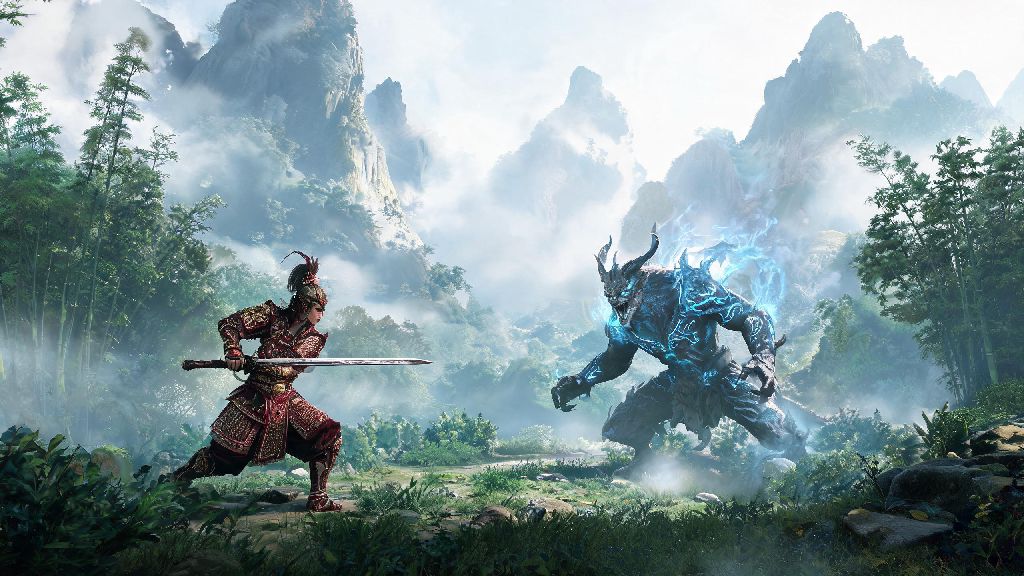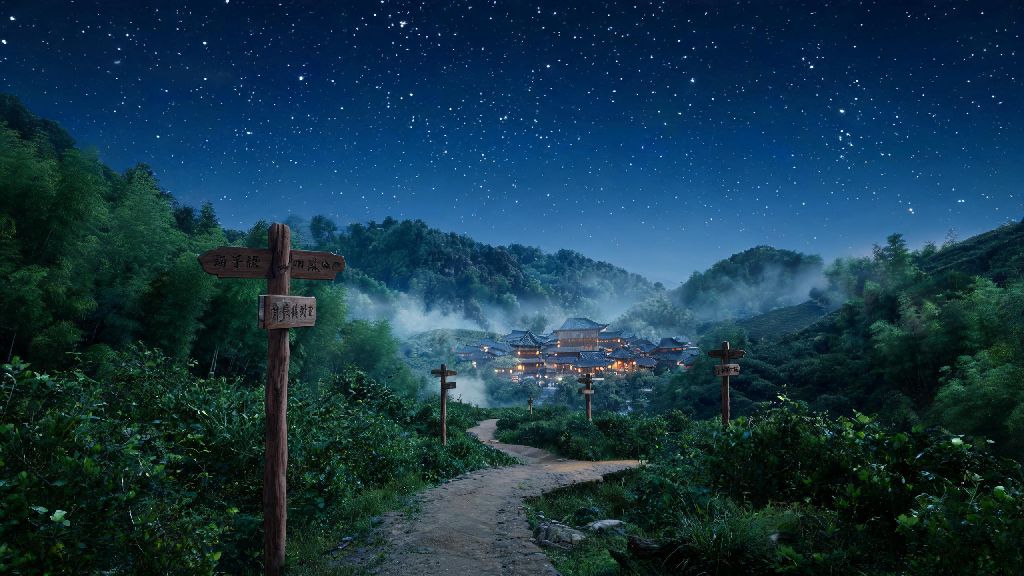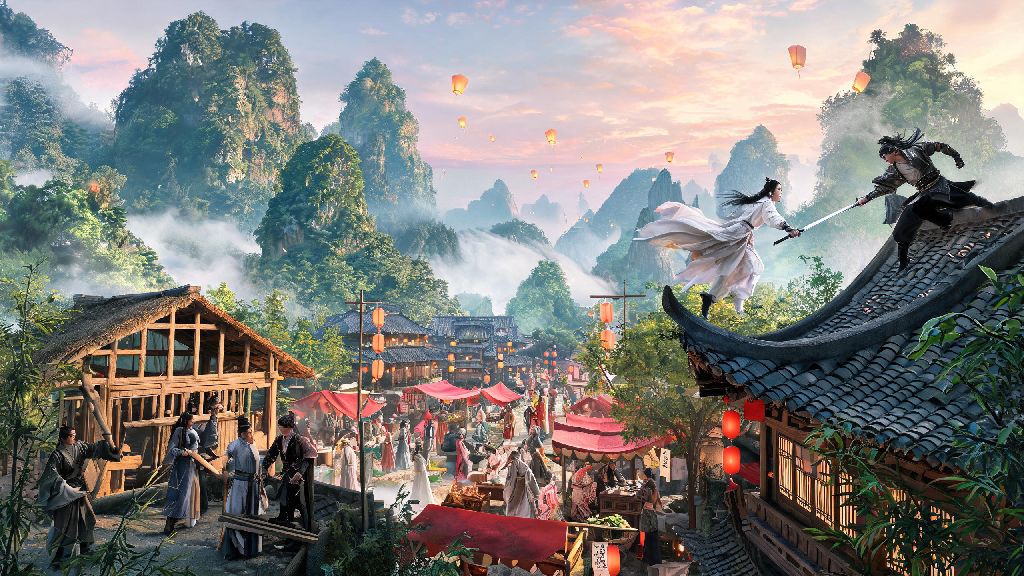
If you’ve scrolled through 2026’s top new game lists lately, you’ve almost certainly seen Where Winds Meet pop up next to everything from life sims to action RPGs. Its colorful art style, wuxia-themed trailers, and viral clips of players building cottages or fighting bandits across rooftops have left a lot of potential players confused about its actual genre. If you’re asking what type of game is Where Winds Meet, you’re not alone—its unique mix of systems has left even seasoned gamers unsure how to categorize it at first glance. I’ve put 32 hours into the full 2026 release so far, and I’m breaking down exactly what you can expect if you pick it up.
Core Genre Breakdown: What Type of Game is Where Winds Meet in 2026?
At its core, Where Winds Meet is an open-world wuxia action RPG set in a fictionalized version of ancient China. But that label only scratches the surface of what it offers, because the devs have woven in elements of half a dozen other genres to create a truly flexible experience. It’s not tied to a single genre box, which is part of why it’s become one of 2026’s surprise breakout hits across casual and hardcore gaming circles alike.
The main story follows a wandering martial artist caught up in a conflict between rival factions, and you can play through that entire 40+ hour campaign without touching any of the extra systems if that’s all you care about. But if you want to slow down, you can spend hundreds of hours on side content that draws from survival games, social sims, and even light roguelite modes. Most of the confusion around what type of game is Where Winds Meet comes from how many optional systems it has, so you never feel forced to engage with content you don’t enjoy.
For example, I went into my first playthrough planning to only focus on the main story, but I stumbled on a small village that needed help rebuilding after a bandit attack, and I ended up spending 8 hours running quests for them, farming crops to restock their food stores, and training their villagers basic self-defense. That side content didn’t impact the main plot at all, but it gave me rare crafting materials and a permanent discount at the village’s weapon shop that made later combat encounters way easier.
Key Gameplay Mechanics That Define Where Winds Meet’s Identity
The best way to understand what makes Where Winds Meet unique is to look at its core mechanics, which blend together to create its one-of-a-kind gameplay loop. After 30+ hours of play, these are the systems that stand out the most:
You can toggle almost all of the optional systems on or off in the game’s settings, too, which makes it accessible for players with very different playstyles. If you hate survival mechanics, you can turn off hunger and thirst meters entirely. If you don’t care about combat, you can set the difficulty to the lowest level and breeze through fight scenes to focus on exploration and story. These 2026 updates also cleared up a lot of earlier confusion about what type of game is Where Winds Meet, as the devs refined the core loop to be more accessible for all player types.
2026 Full Release Updates That Changed Where Winds Meet’s Core Experience
Where Winds Meet spent two years in early access before its full 2026 launch, and the devs made huge changes to the game based on player feedback during that time. If you tried the early access version a year or two ago and didn’t love it, the 2026 release is almost an entirely different game for the better.
The 2026 patch also added 3 new explorable regions, doubling the total map size from the early access version. The new regions include a snowy mountain range with exclusive martial art schools, a coastal port city with pirate-themed side quests, and a hidden bamboo forest with rare crafting materials and roguelite challenge dungeons. The devs also added cross-platform play across PC, PS5, and Xbox Series X/S, so you can play co-op with friends no matter what platform you own.
One of the biggest changes from early access is that survival mechanics are now fully optional. Back in early access, you had to eat, drink, and rest regularly to avoid debuffs that made combat almost impossible, which turned off a lot of casual players who just wanted to enjoy the story and exploration. Now, those mechanics are turned off by default for new players, and you can turn them on manually if you want a more challenging experience.
Pro tip for new players: Don’t skip the new 30-minute tutorial zone that was added in the 2026 release. It walks you through all the core mechanics at your own pace, and it gives you a free rare martial art scroll that lets you double jump 30 minutes earlier than you would otherwise, making exploration way more fun in the first 10 hours of play.
Who Should (and Shouldn’t) Play Where Winds Meet in 2026?
With so many different systems, Where Winds Meet isn’t going to be a good fit for every player. Based on my time with the game, here’s who will get the most out of it, and who should probably skip it for now.
You’ll love Where Winds Meet if you’re a fan of open-world games like Ghost of Tsushima or The Legend of Zelda: Tears of the Kingdom, especially if you like wuxia stories and martial arts combat. It’s also a great pick if you like games that let you play at your own pace—you can spend 100 hours just farming, fishing, and building a homestead without touching the main story at all, if that’s what you enjoy. It’s also a great co-op game, since you can explore the entire map and run quests with up to 3 friends.
On the other hand, you probably won’t enjoy Where Winds Meet if you prefer linear, story-driven games with no side content. The main story is solid, but it’s broken up by long stretches of open-world exploration, and you’ll have to do at least a little side content to level up enough to beat late-game boss fights. If you hate open-world games with lots of collectibles, this might not be for you either, since there are over 600 collectible items scattered across the map. It’s also not a great fit if you’re looking for a competitive multiplayer game, since all PvP modes are optional and limited to dedicated custom servers with no ranked play options.
At the end of the day, asking what type of game is Where Winds Meet doesn’t have a simple one-word answer, but that’s exactly what makes it stand out in 2026’s crowded game release schedule. It’s a flexible, customizable experience that lets you play the way you want, whether you’re here for the epic wuxia story, the relaxing life sim bits, or the fast-paced martial arts combat. If you’ve been on the fence about picking it up, try the free 2-hour demo available on all platforms first to see which parts of the game click for you—you might end up sinking dozens of hours into it like I did.