Where the Winds Meet Core Gameplay: What Makes It Stand Out From Other Wuxia Titles?
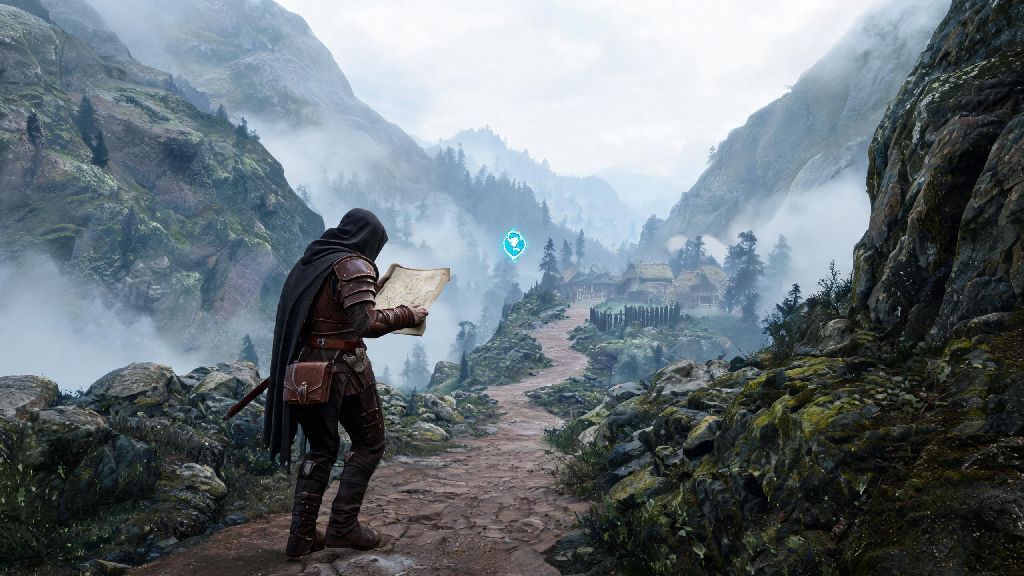
As I noted earlier in this Where the Winds Meet review, the game’s freedom is its biggest selling point. You aren’t forced to follow a linear main story path if you don’t want to. You can spend your first 10 hours just wandering the map, helping villagers with small problems, collecting rare herbs, or challenging random martial artists to duels to learn new moves. There’s no right or wrong way to play, which feels refreshing compared to a lot of modern open world games that push you to rush through the main plot. The environmental interaction system is one of the game’s biggest strengths – you can cut down bamboo to make a temporary bridge, start a wildfire to flush out enemies, or use wind currents to glide across entire valleys without touching the ground.
If you’re coming from other open world RPGs, you’ll notice the movement feels far more fluid than most, no clunky climbing animations that break your immersion. The day-night cycle and dynamic weather also have real impacts on gameplay, not just aesthetic ones. Rain makes surfaces slippery so your sword swings might be less accurate, fog hides enemy patrols so you can sneak past camps if you don’t want to fight, and strong winds can either help or hinder your gliding distance depending on direction. When you’re not racing through main story quests or clearing bandit camps, there are plenty of small, casual minigames to pass the time, from fishing to calligraphy challenges to dice games with local villagers. A lot of players I know like to hop into these low-stakes activities when they need a break from high-tension boss fights, the same way they might load up EZ777 for a quick, low-pressure play session between long gaming stretches. It’s a nice balance that keeps the game from feeling too grindy or overwhelming, even when you’re 30 hours into a playthrough.
Combat System: Fluid Wuxia Action That Actually Feels Rewarding
One of the biggest surprises I found while playing for this Where the Winds Meet review is how accessible the combat is for new players who have never played a wuxia game before. There are three main combat styles to choose from: sword, fist, and ranged (bow, darts, or thrown weapons). You can swap between styles mid-fight with zero cooldown, which opens up so many creative combo opportunities. For example, you can shoot an enemy with a poison dart to slow them down, swap to fist style to stun them with a flurry of punches, then finish them off with a heavy sword slash. The parry system is also well designed: it’s not too hard to learn the timing for basic parries, but perfect parries (done right as an attack is about to hit) let you disarm enemies and use their own weapons against them, which feels incredibly satisfying.
The devs also added a bunch of quality of life features that make combat feel fair, even when you’re outnumbered by 10 or more enemies. Some of the most useful ones include:
The only real downside to the combat system is the lack of build diversity late game. Most of the endgame legendary gear is tailored to sword builds, so if you main fist or ranged you’ll have a much harder time clearing high-level boss fights without grinding for rare, niche drops. It’s not a dealbreaker for most players, but it’s something to keep in mind if you prefer non-standard playstyles. The devs have already teased they’re adding more endgame gear for non-sword builds in an upcoming patch, so this issue will likely be fixed soon.
Story and Side Content: Does It Hold Up For Long Playthroughs?
One thing I didn’t expect going into this Where the Winds Meet review is how much care went into the side quest writing. The main story follows a young martial artist whose village is destroyed by a shadowy clan, so you set out to get revenge and uncover a conspiracy that threatens the entire wuxia world. It’s not the most original plot, but the voice acting is solid, the characters feel real, and there are plenty of branching choices that actually change the outcome of the story. I played through twice and got completely different endings based on whether I chose to spare or kill a key villain halfway through, which adds a lot of replay value.
A lot of open world games pad their maps with generic fetch quests that feel like a chore to complete, but almost all of Where the Winds Meet’s side quests are fully voice acted and have their own small, heartfelt stories. One of my favorites was helping an old doctor find rare herbs to cure a village plague, which ended with a twist that he was actually a retired legendary assassin hiding from his past. These small, personal stories make the world feel lived in, not just a big empty map full of icons to check off. You can easily get 60+ hours of playtime out of the game if you do even half of the available side content, so it’s well worth the price tag for anyone who likes to take their time with open world games. The only minor complaint here is that some of the best side quests are locked behind specific reputation levels with different regions, so you have to do a few generic delivery quests to unlock them, but it’s not too much of a hassle.
Performance and Bugs: What You Need to Know Before Buying
A common question I’ve seen online while working on this Where the Winds Meet review is whether the game runs well on lower-end hardware. I played the game on a mid-range PC (RTX 3060, 16GB RAM) and got a steady 60 FPS on high settings at 1080p, even in crowded cities or dense forest areas with lots of particle effects from combat. Console players on PS5 and Xbox Series X also report solid performance, with a 4K 30 FPS fidelity mode and 1080p 60 FPS performance mode both available at launch. Last-gen console players (PS4, Xbox One) will have to turn down most graphics settings to get smooth performance, but the game still looks decent even on medium settings.
The launch version had a few annoying bugs, like quests not triggering correctly or NPCs getting stuck in walls, but most of those have been fixed in recent patches. The only remaining bug I encountered occasionally was my character getting stuck in a gliding animation if I jumped off a cliff at a very specific angle, but that was easy to fix by fast traveling to a nearby waypoint. The devs have been very responsive to player feedback, releasing small patches every week to fix bugs and add small quality of life features, which is a good sign for long-term support for the game.
At the end of the day, this Where the Winds Meet review makes it pretty clear that the game is a must-play for anyone who loves wuxia stories, open world exploration, or fluid, creative combat systems. It has a few small flaws, like limited late-game build diversity and a couple of minor lingering bugs, but those are far outweighed by its strengths: a beautiful open world, engaging story, and tons of content to keep you occupied for dozens of hours. If you’ve been on the fence about picking it up, I’d say go for it – you won’t be disappointed.