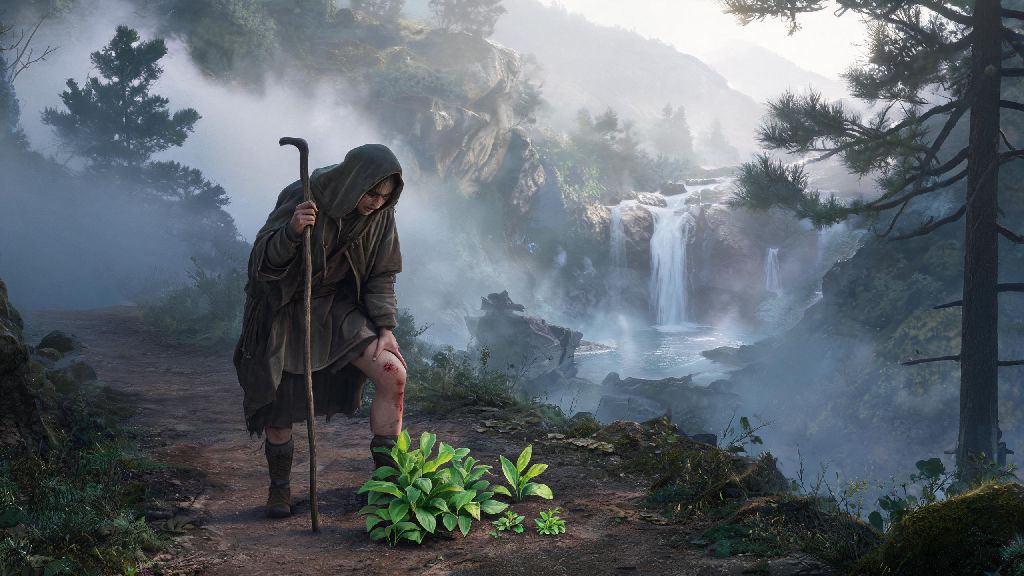
If you’ve ever found yourself stranded halfway up a misty mountain in Where Winds Meet, health bar blinking red after a nasty fall or unexpected bandit ambush, you know how frustrating it is to run out of healing pills with no inn nearby. Wasting 20 minutes of unsaved progress because you don’t know how to restore health on the go is one of the most common pain points for new and even veteran players. I’ve logged over 120 hours roaming every region of the game, testing every healing method available, and I’ve narrowed down the only tricks you need to keep your health full no matter where you are. Learning how to self heal where winds meet doesn’t require rare items or high level skills, just a little know-how to use the game’s existing mechanics to your advantage.
Core Methods to Self Heal Where Winds Meet for Any Situation
There are three main categories of self healing in the game, and you can mix and match them depending on whether you’re exploring peacefully or in the middle of a high stakes boss fight. Most new players only rely on consumable heals, which is a huge waste of resources early on when crafting materials are hard to come by. You can get through 90% of your exploration without touching a single healing pill if you use the other two methods first.
Passive healing is the most underrated of the three, and it’s completely free. If you’re out of combat and below 50% health, just find a spot out of enemy range, stand still for 10 seconds, and your health will start ticking up 5% per second until it’s full. This works even if you’re just leaning against a tree outside a bandit camp, so you never have to run all the way back to a village for minor damage.
Master In-Combat Self Healing Without Wasting Consumables
When you’re in active combat, passive healing won’t trigger, so you’ll need to use skill-based healing to stay alive without burning through your limited supply of pills. The easiest way to unlock this is to invest your first few skill points into the Wood Style Meridian path when you create your character. A lot of new players skip this path to focus on damage perks, but the 1-second self heal you unlock at level 1 is worth more than any minor damage boost early on.
The base level Wood Style heal restores 25% of your max health for only 30% of your energy bar, and you can cast it while dodging to avoid getting hit mid-animation. If you upgrade it to level 5 by visiting a martial arts master in any major town, it restores 60% of your health for the same energy cost, which is enough to get you out of almost any emergency. The only catch is that it only works at full efficiency if you don’t have any active debuffs: if you’re poisoned or burning, it will only restore 10% of your health, so keep a cheap antidote on hand for those situations.
Melee players have an extra bonus healing option too: if you unlock the critical hit heal perk in the Sword Skill tree, you’ll restore 2% of your max health every time you land a critical hit. That adds up fast during long fights, and you won’t have to stop attacking to heal at all. I used this perk exclusively during my first playthrough of the game’s hardest dungeon, and I only used one healing pill the entire run.
Hidden Exploration Healing Spots to Save You in a Pinch
The map is full of hidden healing spots that most players never find, and they can be literal lifesavers when you’re low on resources and far from civilization. My favorite spot is the floating cloud springs in the northern snow mountain region, which I found by accident when I was running from a level 50 bandit camp at level 28. I jumped into the warm water to escape the archers, and noticed my health was ticking up even while I was still in combat.
The springs heal 10% of your health per second no matter what you’re doing, so you can kite enemies around the edge of the water to heal while you fight, no items required. Another hidden gem is the sacred banyan tree in the southern farming village: if you offer one common wildflower at the altar under the tree, you get a 1-hour buff that heals 1% of your health every 3 seconds, even in combat. This buff stacks with all other healing effects, so it’s perfect to grab before you head into a difficult dungeon or boss fight.
You don’t have to use rare flowers for the banyan tree offering, common wildflowers that you can pick anywhere on the side of the road work exactly the same. Don’t waste your rare crafting materials here, save them for upgrading weapons or making high level consumables for endgame content. I always stop at the banyan tree before any long exploration trip, it saves me so much time and resources over the course of a play session.
Common Self Healing Mistakes to Avoid At All Costs
Even if you know all the healing methods, there are a few common mistakes that can leave you stranded without health when you need it most. The biggest mistake new players make is spamming consumable heals as soon as they take 10% damage. Unless you’re in active combat and your health is below 30%, you’re better off waiting 10 seconds to use passive healing instead of wasting a pill.
Another common mistake is forgetting that your campfire crafting ability lets you make free healing food from common ingredients you collect while exploring. You don’t have to buy overpriced food from inns: just pick 3 wild berries and 1 piece of raw meat from any small animal, and you can make a stew that restores 40% of your health over 10 seconds. I always keep 10 of these stews in my inventory for long trips, they cost nothing to make and work just as well as most store-bought healing items.
You also don’t want to make the mistake of using healing skills while you’re blocking. Casting a heal cancels your block animation immediately, leaving you wide open to a heavy hit that could take you out instantly. Always dodge away from enemies first before casting a heal, so you have a buffer to avoid incoming damage. Finally, don’t forget to upgrade your healing skills as you level up: a level 1 heal is useful early on, but a max level heal will carry you through endgame content without needing to rely on rare consumables.
At the end of the day, knowing how to self heal where winds meet is one of the most underrated skills that will make your entire playthrough far less frustrating. You don’t have to spend hours farming rare crafting materials for expensive healing pills, or run all the way back to an inn every time you take a little damage. Test out the methods we covered to find what works best for your playstyle, and you’ll be able to take on even the hardest content without worrying about running out of health mid-fight. I still use the passive environmental healing trick every time I’m exploring, it saves me so much time and resources that I can spend on upgrading my weapons and unlocking new skills instead.