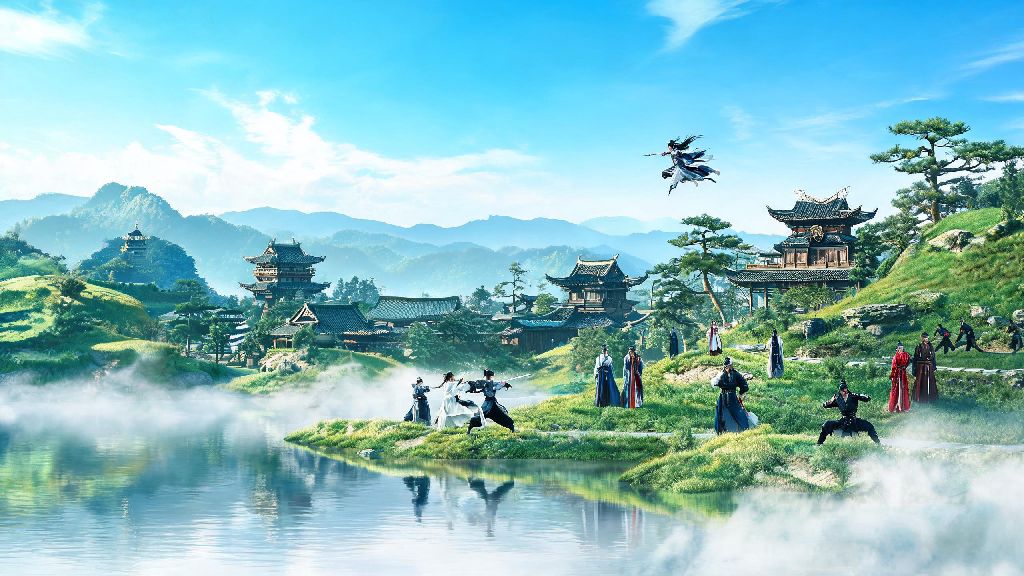
If you’ve spent any time scrolling Wuxia game forums or watching open world RPG playthroughs lately, you’ve almost certainly seen clips of Where Winds Meet’s gravity-defying combat, sweeping mountain landscapes, and dynamic NPC interactions. A lot of new players jump straight into testing its martial arts mechanics without stopping to ask who made Where Winds Meet, or how the team behind it built such a uniquely authentic Wuxia experience. I’ve spent over 40 hours playing the early access build, and dug into tons of developer interviews to break down exactly who created this game, what their vision was, and how their past work shaped every part of its design.
Who Made Where Winds Meet? Meet the Core Development Studio
The game is led by Everstone Games, a Nanjing-based independent studio founded in 2018 with a focus on historical and Wuxia-themed games. Everstone Games leads all core development for Where Winds Meet, including narrative, combat design, and open world building. NetEase Games serves as the global publisher, handling localization, server support, and international marketing, but the core creative vision remains entirely controlled by Everstone’s internal team.
Many of the studio’s 200+ core developers grew up consuming classic Wuxia media, from Jin Yong’s legendary novels to old Shaw Brothers martial arts films. A large portion of the team previously worked on popular Wuxia MMO Moonlight Blade, so they brought years of experience building martial arts gameplay systems to this project. They spent six years in full development for Where Winds Meet, turning down multiple opportunities to launch early because they didn’t want to release a product that didn’t match their original vision for an authentic, player-driven Wuxia world.
Key Creative Decisions That Shaped Where Winds Meet’s Gameplay
From the earliest planning stages, the team had three non-negotiable goals for the game: it had to feel authentic to Wuxia lore, it had to give players total freedom to play how they want, and it had to feel accessible even for players who had no prior experience with Wuxia media. These goals guided every choice they made, from combat design to world building.
The team worked with real martial arts instructors to capture motion for every attack animation, so even the most over-the-top moves have roots in real Wushu forms. They also consulted with historians to make sure the game’s setting, based on China’s Five Dynasties and Ten Kingdoms period, is as historically accurate as possible. Architecture, clothing, food, and even social customs all match historical records from the era, with only small adjustments made for gameplay flow.
That attention to detail shows up in small, easy-to-miss parts of the game too. I once stumbled on a hidden quest where I helped an old herbalist collect rare snow lotus flowers high in the mountains, and she ended up teaching me a passive healing skill I still use in boss fights 30 hours later. That’s the kind of unscripted, organic content the team prioritized, instead of filling the map with generic fetch quests that feel like busywork.
What Makes Where Winds Meet Stand Out From Other Wuxia RPGs
A lot of people ask why Where Winds Meet got so much attention before it even launched, especially since there are dozens of Wuxia RPGs on the market. The team made a few intentional choices that set it apart from almost every other game in the genre:
- Player-driven morality system with no “good” or “bad” labels: You can choose to help villagers, join bandit gangs, or even work for the imperial government, and the world reacts accordingly without locking you into a fixed moral path. No choice is marked as right or wrong, and you can switch between factions at any time if you change your mind.
- Fully customizable martial arts build system: You can combine skills from 12 different martial arts schools, create your own unique combo chains, and even teach your custom moves to other players if you want. There are no fixed classes, so you can switch between a sword-wielding warrior, a stealthy assassin, and a healer whenever you feel like it.
- Dynamic weather and environment effects that impact gameplay: Heavy rain makes sword blades slippery and reduces attack accuracy, strong winds make qinggong (lightness skill) jumps longer, and snow slows your movement speed if you don’t wear warm clothing. You even have to adjust your playstyle for different terrain, like muddy roads that make it harder to dodge attacks.
Most Wuxia games stick to pre-set classes and moral paths, so this level of freedom is almost unheard of. The dev team noted in a recent interview that they wanted players to feel like they were writing their own Wuxia novel, not just playing through a story someone else wrote. That’s why even small choices, like whether you pay for a meal at a tavern or steal it, can have ripple effects later in your playthrough, like shopkeepers refusing to sell to you if you get a reputation for stealing.
What’s Next For the Where Winds Meet Development Team
Even though the early access build already has over 50 hours of content, the team is far from done updating the game. They release monthly patches based directly on player feedback, and have a 3-year content roadmap planned for post-launch support. Upcoming updates will add 3 new martial arts schools, a new desert region, and a co-op raid system for up to 8 players.
They’re also working on improving localization for non-Chinese players, adding full voice acting for 10 different languages, and adjusting some of the more culturally specific quests to make them easier to understand for global audiences. I submitted feedback last month about the qinggong controls feeling clunky on controller, and the latest patch added a custom control option for it, so they really are listening to player input to make the game better for everyone.
The team is also planning to host regular community events where players can submit their own quest ideas, and the best ones will be added to the game permanently. They’ve already added 7 player-created quests to the game since early access launched, and they plan to add more every quarter.
If you’re still on the fence about trying Where Winds Meet, knowing the passion and expertise of the team who made Where Winds Meet should make that choice a lot easier. This isn’t a quick cash grab Wuxia game made to ride a trend; it’s a love letter to martial arts lore made by people who care deeply about making the most authentic, immersive Wuxia RPG possible. Even if you’re not a huge fan of Wuxia stories, the open world freedom and dynamic combat make it worth checking out, especially if you love games that let you play exactly the way you want.