If you’ve spent any time wandering the sprawling rivers, misty mountains, and abandoned villages of Where Winds Meet’s open world, you’ve probably stumbled past half a dozen hidden chests or secret side quests without even realizing it. Most new players brush off the game’s core navigation mechanic as a basic quest marker tool, but it’s far more powerful than that. Understanding where winds meet wind sense functionality is the difference between spending hours grinding for upgrade materials and finding them scattered around every corner of the map. I’ve put over 60 hours into the game since its full launch, and I still use Wind Sense every single time I log on to cut down on wasted travel time.
What Is Where Winds Meet Wind Sense, and How Do You Unlock It?
Wind Sense is a context-sensitive navigation and scanning mechanic built into the core of Where Winds Meet’s gameplay loop, designed to tie into the game’s wuxia themes of being attuned to the world around you. Unlike generic minimap markers that hand you every location on a platter, Wind Sense lets you pick up subtle cues from the environment, from the distant smell of rare herbs to the faint sound of a trapped civilian calling for help. You don’t have to grind for hours to unlock it, either—it’s available as soon as you complete the 10-minute opening tutorial sequence, right after you escape the initial bandit attack on your village.
To activate it, you just hold down the dedicated input on your controller or keyboard for half a second, and the world will desaturate slightly while highlighted points of interest glow bright gold on your screen. The range of your base Wind Sense is around 75 meters, but you can upgrade that range later by completing side quests for the Taoist faction in the northern mountain region. A lot of new players assume it only works for tracking main story quests, but that’s the first misconception we’re going to clear up today.
Top Practical Uses for Wind Sense You’re Probably Overlooking
I played for almost 12 hours before I realized Wind Sense does far more than just point me to the next main story objective. After testing it across every region of the map, I’ve found 7 core uses that make exploration 10x faster and more rewarding. The most useful ones are:
- Rare crafting material detection: Wind Sense will highlight all nearby alchemy ingredients, smithing ores, and cooking ingredients that you’d normally walk right past, even if they’re hidden under foliage or inside cave crevices.
- Hidden quest trigger location: A lot of the game’s best side quests don’t have map markers, and will only pop up when you get within 10 meters of the NPC giving them. Wind Sense will mark these NPCs as gold highlights before you even see them, so you don’t miss out on rare weapon rewards.
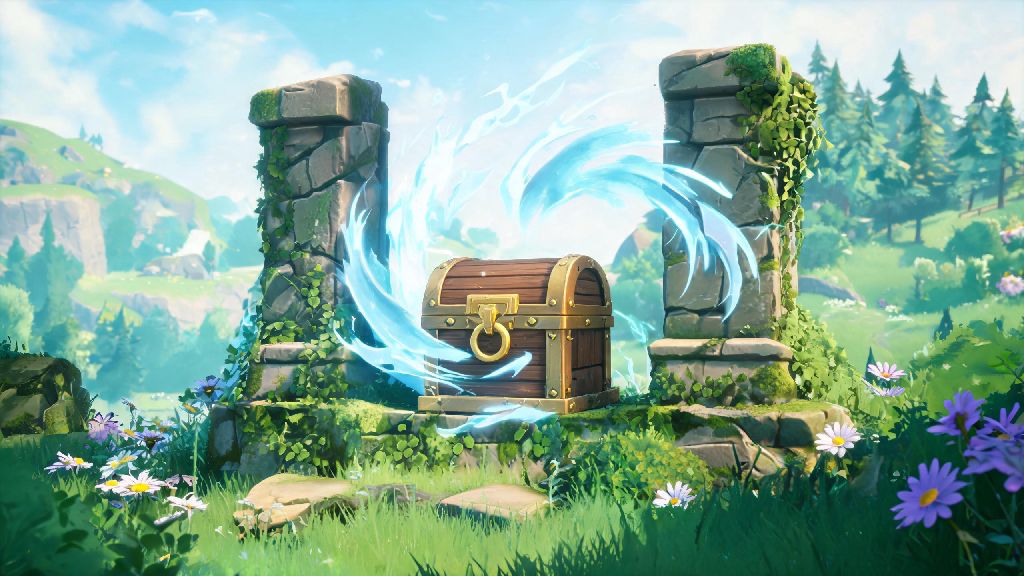
- Secret chest and collectible tracking: Locked chests, lost jade amulets, and hidden memory scrolls all show up as soft blue highlights when you activate Wind Sense, even if they’re hidden behind false walls or buried under loose dirt.
- Enemy camp scouting: If you’re trying to sneak through a high-level bandit camp without getting swarmed, Wind Sense will mark every enemy’s position through walls, so you can plan your route or pick them off one by one without being detected.
My favorite use for it, though, is tracking down the game’s hidden hot spring locations. These hot springs give you a 2-hour 15% experience boost that stacks with food buffs, but they don’t show up on the default map at all. I’ve found 6 of them so far exclusively using Wind Sense, and that buff has saved me hours of grinding for character levels.
Common Wind Sense Mistakes to Avoid
Even after you know all the uses for Wind Sense, it’s easy to fall into bad habits that make it way less useful than it should be. The most common mistake I see new players make is only activating it when they’re lost looking for a quest objective. You should be tapping it every 30 seconds or so when you’re exploring unmarked parts of the map, because you never know what hidden rewards are just out of your line of sight.
Another big mistake is ignoring the color coding of the highlights. A lot of players assume every glow is the same, but gold highlights are for quests and NPCs, blue is for collectibles and chests, and red is for dangerous enemies or traps. If you see a red glow popping up when you activate Wind Sense, you’ll know to prepare for a fight before you round the next corner, instead of getting ambushed by a group of high-level assassins. I learned that the hard way when I wandered into a level 30 bandit camp at level 12 last month.
You also don’t want to waste it in areas you’ve already fully explored. Wind Sense doesn’t have a cooldown, but it does drain a tiny bit of your stamina every time you activate it. That might not seem like a big deal, but if you’re halfway up a steep mountain cliff and you run out of stamina activating Wind Sense, you’ll fall all the way down and have to start your climb over again. Save it for unmarked regions, or when you’re specifically searching for a particular item.
Advanced Wind Sense Tricks for Veteran Players
Once you’ve got the basics down, there are a few lesser-known tricks you can use to get even more value out of the mechanic. The first one is pairing Wind Sense with your glider to scan large swathes of the map in a single pass. If you glide from the top of a high mountain and activate Wind Sense while you’re in the air, your effective scanning range doubles, because you have a clear line of sight to everything below you. I use this trick to scan entire forest regions for rare herbs in less than 10 minutes, when it would take me an hour to run through the same area on foot.
Another advanced trick is filtering your Wind Sense results to only look for specific items. Most players don’t know you can open your inventory and pin a specific crafting material or collectible, and Wind Sense will only highlight that item when you activate it. This is a game-changer if you’re grinding for a specific rare ore to upgrade your favorite weapon, because you won’t have to sift through dozens of unrelated highlights to find what you’re looking for.
If you’re playing with friends in co-op mode, you can also share your Wind Sense results with your entire party. When you activate it while in a group, every player on your team will see the highlights you pick up on their own screens, even if they’re 100 meters away from you. This makes clearing group dungeons and hunting world bosses way faster, because you can split up to search for hidden levers or rare loot without having to call out every location you find.
One last trick I picked up last week: if you activate Wind Sense right after you defeat a world boss, it will highlight any hidden rare drops that didn’t show up in the initial loot window. I’ve gotten two 5-star weapon blueprints this way that I would have missed completely if I didn’t scan the area after the fight.
At the end of the day, Wind Sense is the most underrated tool in Where Winds Meet’s entire gameplay kit, and learning to use it well will make every part of your playthrough more fun and less grindy. You don’t have to memorize every trick right away, either—just start activating it every few minutes when you’re exploring, and you’ll pick up the nuances as you go. If you’ve been sleeping on this mechanic, take 10 minutes today to test out some of the uses we covered, and you’ll be shocked at how much hidden content you’ve been missing. Mastering where winds meet wind sense functionality is the easiest way to get the most out of every minute you spend in the game’s beautiful, sprawling open world.