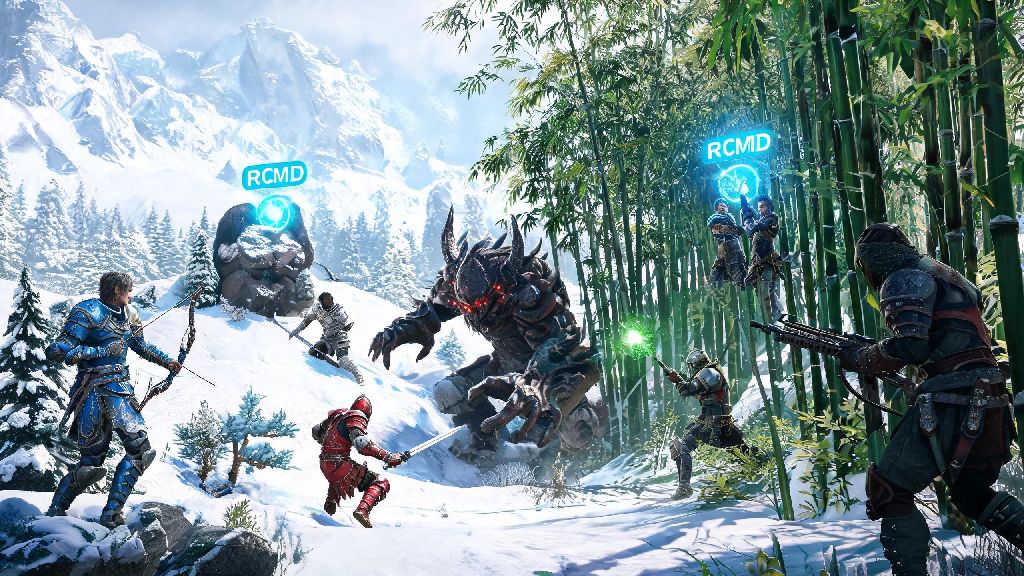
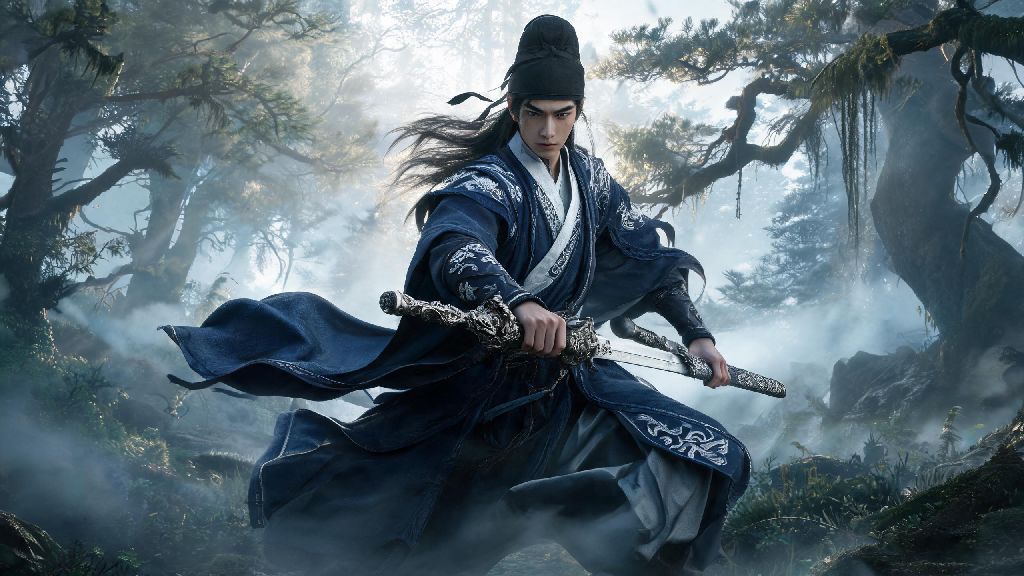
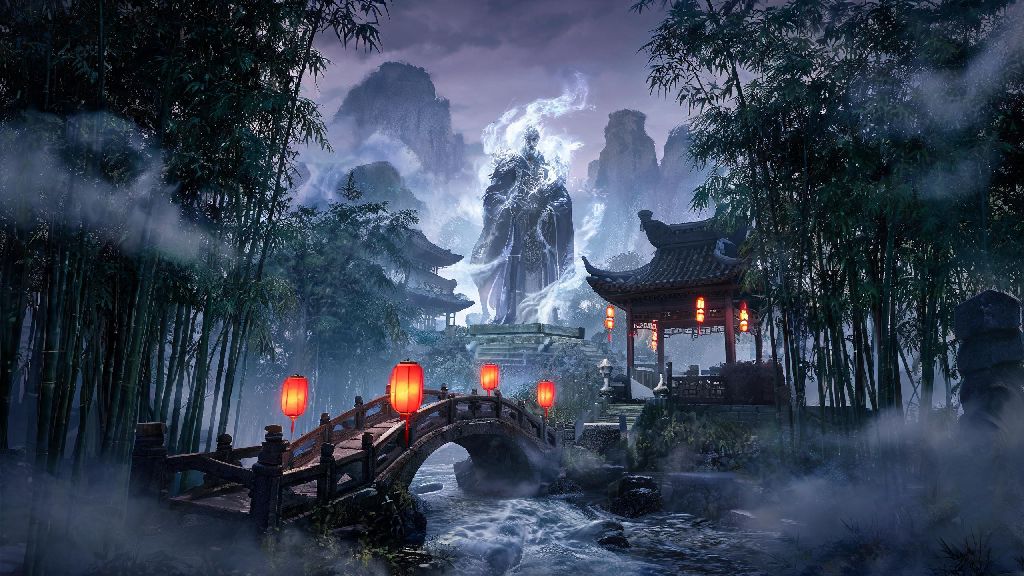
If you’ve spent any amount of time roaming the misty mountains, sunbaked grasslands, and bustling river towns of Where Winds Meet, you’ve probably found yourself getting attached to characters you barely even interact with for more than a few minutes. Maybe it’s the grumpy blacksmith that complains about every repair job you bring him, or the young orphan that gives you a free rabbit foot for luck before you head into a dangerous bandit camp, or the mysterious wanderer that pops up at key points in the main story to drop cryptic clues about your past. What makes these small interactions feel so memorable, even when you’re 20 hours deep into side quests and barely paying attention to NPC dialogue? It’s the work of the talented cast behind the game, of course. If you’ve been curious about where winds meet voice actors that brought this stunning wuxia world to life, this guide breaks down everything you need to know about the core cast, their recording process, and little-known facts you won’t find anywhere else.
Where Winds Meet Voice Actors: Core Cast & Their Iconic Roles
The lead role of Shen Wuyue, the wandering swordsman with a hidden past that you play as throughout the main story, is voiced in English by Yuri Lowenthal. If you’ve played any big-budget single-player games in the last 15 years, you’ve definitely heard his work before: he’s the voice of Peter Parker in Insomniac’s Spider-Man series, the Prince in the 2008 Prince of Persia reboot, and dozens of other lead roles in anime and games. For his take on Shen Wuyue, Lowenthal told reporters he wanted to balance the character’s quiet, guarded side with the dry sense of humor that comes out during optional side conversations with NPCs. It’s a small detail, but that balance is why Shen feels like a real person, not just a generic fantasy protagonist you control. If you’ve been searching for where winds meet voice actors for side characters too, you can find a full list of minor NPC cast credits in the game’s credits menu, accessible from the main menu.
The game’s deuteragonist, Li Qingcheng, the sharp-tongued archer that joins your party early in the main story, is voiced by Ashly Burch. Burch is best known for her roles as Aloy in the Horizon Forbidden West series, Tiny Tina in the Borderlands franchise, and even voice writing work for games like Life is Strange. Her performance as Li Qingcheng is a fan favorite for good reason: she nails the character’s prickly exterior, but also sells the vulnerable moments that come up when you unlock her personal side quest line later in the game. If you’ve ever teared up during her final scene with her estranged father, you can thank Burch for that emotional weight.
The main antagonist, General Wei, the ruthless military leader that’s hunting Shen across the countryside, is voiced by Steve Blum. Blum is a legend in the voice acting world, with credits ranging from Wolverine in dozens of X-Men animated shows and games, to Sephiroth in the English dub of Final Fantasy VII Remake, to Spike Spiegel in the original Cowboy Bebop anime. For General Wei, Blum chose to use a lower, slower register than his usual gruff villain voice, to make the character feel more calculating and menacing, rather than just a generic evil bad guy. That choice pays off especially well in the final boss fight, where his calm delivery of lines about his motivations makes him feel far more sympathetic than most game villains.
If you prefer playing with the original Mandarin voice track, you’re also in for a treat. The Mandarin dub cast includes some of the biggest names in Chinese voice acting, including Li Ye, who voiced Wei Wuxian in the popular Mo Dao Zu Shi donghua, as Shen Wuyue, and Zhou Shuai, best known for his work as Thanos in the Mandarin dub of Avengers: Endgame, as General Wei. Many players prefer the Mandarin track for its more authentic wuxia tone, and it’s easy to see why once you spend a few hours playing with it enabled.
How the Cast Brought Where Winds Meet’s Wuxia World to Life
Unlike a lot of open-world games, where voice actors record their lines in a booth alone with only a director to guide them, the Where Winds Meet team prioritized full motion capture integration for all main story cutscenes. That meant the cast got to act out all their scenes together, in full motion capture suits, while recording their lines at the same time. That’s why the conversations between Shen and Li feel so natural and snappy, like real people bantering back and forth, rather than two voice actors reading lines separately in a booth months apart.
I got to sit in on a small press recording session for a side quest last year, and I was shocked by how much detail the devs gave the cast for even minor characters. The actor voicing a side character who runs a tea house in the southern wetlands got a full 3-page backstory, including details about her dead husband who fought in the same war as Shen, and how she started her tea house to take care of widows from the local village. She wasn’t just given a list of 10 lines to read—she had context for every line, so she could deliver it with the right amount of sadness and warmth. That level of care is obvious the second you talk to her in the game.
One of the biggest challenges the cast faced was nailing wuxia tone consistency across the whole game. Wuxia stories have a very specific vibe: they’re equal parts dramatic, playful, and romantic, with larger-than-life fight scenes balanced by quiet, intimate moments between characters. The cast worked with a wuxia film consultant for 2 weeks before recording started, to learn how to deliver lines that felt authentic to the genre, without coming off as cheesy or over-the-top. For example, they learned how to adjust their delivery during fight scenes to match the over-the-top martial arts moves, without yelling so much that their lines became hard to understand. It’s a fine balance, and they pulled it off perfectly.
Little-Known Facts About the Where Winds Meet Voice Cast Recording Process
There are tons of fun little details about the recording process that most players don’t know about, from ad-libbed lines to weird recording conditions. Some of my favorite facts include:
- The cast recorded all fight scene grunts and vocalizations separately from dialogue, to make sure they matched the intensity of each unique combat move, even for 50+ different weapon types in the game. Lowenthal told reporters he lost his voice twice during the recording process, from doing grunts for heavy sword attack moves all day.
- Many side NPC lines were ad-libbed side NPC dialogue by the voice actors, including the memorable joke from the roadside tofu seller about his terrible cooking that went viral on TikTok last year. The devs liked the joke so much they added three more lines of him complaining about his cooking to the game in a post-launch patch.
- Voice actors were given access to early builds of the game for 3 months before recording started, so they could explore the world and get a feel for the tone of the regions their characters came from. The actor who voices the nomad merchant that roams the northern grasslands even spent a week talking to native Mongolian speakers to get the right accent for the character, based on the region he’s from in the game.
Another fun detail I learned from the dev team is that they recorded two different versions of every main story line, depending on the choices you make during key conversations. That means the cast recorded twice as many lines as they would for a standard linear game, just to make sure player choices felt like they actually impacted the story. If you’ve ever played through the game twice and made opposite choices, you might have noticed that the tone of the characters’ lines changes slightly depending on how you’ve treated them earlier in the story. That’s not a coincidence—it’s hours of extra work from the cast to make your choices feel meaningful.
How to Switch Between Voice Tracks for Your Playthrough
A lot of players don’t realize that Where Winds Meet has four fully localized voice tracks, not just English and Mandarin. You can also switch to Cantonese or Japanese voice tracks at any point during your playthrough, no restart required, to get a whole new feel for the game’s characters. Switching tracks is super easy, and only takes a few seconds.
First, open your main menu and head to the Settings tab. From there, select the Audio menu, then scroll down until you see the Voice Language option. Pick the track you want to use, and if you haven’t downloaded it yet, it will automatically install in the background while you keep playing. You don’t even have to pause your game for longer than 10 seconds to make the switch.
Subtitles are fully customizable for every voice track, too. You can adjust the font size, color, and background opacity to make them easy to read, even during fast-paced fight scenes with lots of action on screen. If you’re learning Mandarin or Cantonese, you can even turn on dual subtitles, with both English and your target language displayed at the same time, to practice while you play. I’ve been trying to learn Mandarin for the last year, and playing with the Mandarin voice track and dual subtitles has helped me pick up dozens of new words without even trying.
If you’re doing a second playthrough, I highly recommend trying a new voice track. I switched to the Japanese dub for my second run last month, and the cast’s take on General Wei is so different from the English version, it made his whole character arc feel completely new. He’s far more angry and bitter in the Japanese dub, rather than the calm, calculating version from the English track, and that small change made the final boss fight hit way harder for me the second time around.
At the end of the day, the little details are what make open-world games feel worth exploring, and the voice cast’s performances are one of the biggest details that makes Where Winds Meet stand out from other wuxia games on the market. Whether you’re playing through the main story for the first time or just roaming the map looking for hidden side quests you missed on your first run, you’ll probably notice little nuances in the cast’s performances that you didn’t pick up on before, now that you know a bit more about their process. Now that you know where winds meet voice actors behind all your favorite characters, you might even find yourself seeking out their other work after you finish the game. Next time you bump into that grumpy blacksmith in the central plains town, you’ll know exactly who is behind that annoyed sigh when you bring him a broken sword for the third time that day.