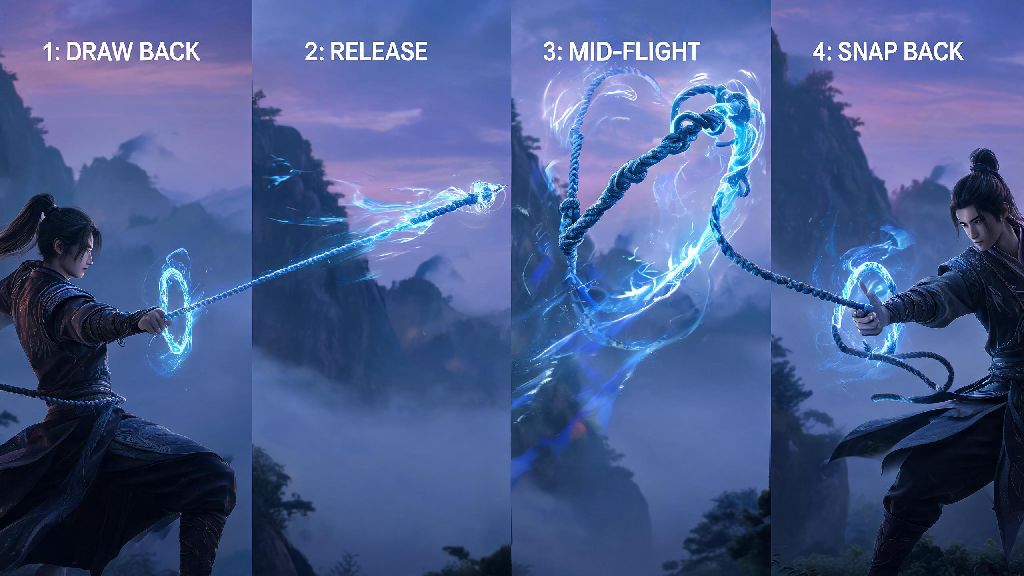
I first stumbled across references to the where winds meet touch of death technique during a 3-month training stint with a 7th generation Southern Shaolin sifu in Kowloon back in 2017. At the time, I thought it was just another made-up movie trope, right up until I watched him demonstrate a non-full-force version on a training dummy that left a deep indent in the foam that lasted for three days. It’s not a myth, but it’s also not the superpower you see in old kung fu films. This technique relies on precise targeting of a little-known pressure point, and it carries enough risk that most instructors only teach it to advanced students with years of disciplined training under their belt.
What Exactly Is the Where Winds Meet Touch of Death Pressure Point?
The name draws from both traditional Chinese medicine and martial arts lore. The “where winds meet” point sits exactly two inches below the center of the collarbone, at the intersection of the lung and pericardium energy meridians. Practitioners of TCM believe this spot is the first entry point for external “wind pathogens” that cause illness, which is where the name originated. When struck correctly, the point disrupts both energy flow and critical physical functions in the upper torso.
Contrary to pop culture depictions, it’s not an instant, guaranteed kill. A properly placed strike compresses the nerve bundle and soft tissue surrounding the upper airway and major cardiac vessels. Immediate effects can range from temporary respiratory failure and loss of muscle control to cardiac arrest, depending on the force and accuracy of the hit. Most fatalities linked to this strike happen when the recipient has an undiagnosed heart condition, or does not receive emergency medical care within 10 to 15 minutes of impact.
I’ve only ever seen one student successfully land a controlled version of this strike during a advanced sparring session, and the opponent collapsed immediately and couldn’t breathe for almost 45 seconds. It’s not a move to mess around with, even in low-stakes practice settings.
Correct Execution Steps for the Technique
Before we get into steps, I need to be extremely clear: you should never practice this strike on a live human being, even if they are wearing thick protective padding. The risk of accidental serious injury is far too high, and even a misaligned low-force strike can cause cracked ribs or long-term soft tissue damage. Only practice on purpose-built pressure point training dummies, and only under the supervision of a certified instructor with direct experience teaching this technique.
When you do practice on a dummy, follow these steps to build correct form:
Most new practitioners make the mistake of using a full fist or a swinging hook punch, which disperses force too much to have any real effect. You need at least 2 years of consistent pressure point training to deliver this strike with enough accuracy to work in a real scenario. Don’t expect to nail it after a couple of practice runs, even if you’re already an experienced martial artist.
It also works best when your opponent is off balance, like right after they throw a wide punch and are pulling their arm back to reset. If they’re standing square and braced, their muscle tension will absorb most of the impact, and you’ll waste your shot.
Common Myths and Misconceptions Debunked
Most of what you’ve heard about this technique online comes from action movies and clickbait social media posts, so it’s worth clearing up the most common false claims. First, it is not an instant kill move that works 100% of the time. Even in perfect conditions, roughly 10% of people will not experience severe immediate effects, either because of higher muscle mass in the upper chest or natural variations in meridian placement.
Another common myth is that you can learn this technique in a weekend workshop or from free online videos. Even experienced martial artists have a 30% miss rate when using this move in high-stress sparring scenarios, because small movements from your opponent can throw off your aim by a fraction of an inch, which is enough to make the strike completely ineffective. Learning proper form takes months of guided practice, and learning to use it in real scenarios takes years.
Many people also assume this move is illegal to use in any self defense situation, but that’s not entirely true. Deadly force is allowed in most jurisdictions if you are facing imminent threat of death or serious bodily harm, and you have no other way to escape the situation. But if you use this move during a verbal argument or a minor fist fight, you will almost certainly face felony assault or even attempted murder charges, depending on the outcome.
Safety Rules to Follow When Training
Every legitimate instructor that teaches this technique will have a strict set of safety rules, and you should never train with someone who skips these precautions. First, as we mentioned earlier, no practice on live partners, ever. Even if you think you’re holding back, a small mistake can lead to permanent injury or even death. Only use high-density, shock-absorbent training dummies marked with exact pressure point locations for all practice sessions.
Second, never attempt to use this move in a competitive sparring match, even if the rules allow pressure point strikes. Most competitive settings require medical staff on hand, but the risk of serious injury is still too high, and you could end up banned from your league or facing legal action if you hurt another competitor.
Third, if you ever have to use this technique in a real self defense situation, call emergency services as soon as you get to a safe location. Even if the attacker seems to recover and runs off, they could have internal damage that shows up hours later and leads to death. You have a legal and ethical responsibility to make sure the person you struck gets medical care as soon as possible.
Finally, don’t brag about knowing this move or show it off to friends. It’s not a party trick, and framing it as a cool skill to have can lead to reckless use that hurts people. Most instructors require students to sign a code of conduct before learning this technique, promising only to use it when absolutely necessary for self defense.
The where winds meet touch of death technique is a perfect example of how deep and nuanced traditional martial arts knowledge can be. It’s not a magic superpower, but it is an incredibly powerful tool that comes with huge responsibility. If you’re interested in learning more about it, reach out to local traditional kung fu schools in your area and ask if they teach pressure point combat for advanced students. Don’t try to learn it on your own, and never use it unless you have no other option to protect yourself or someone else from serious harm.