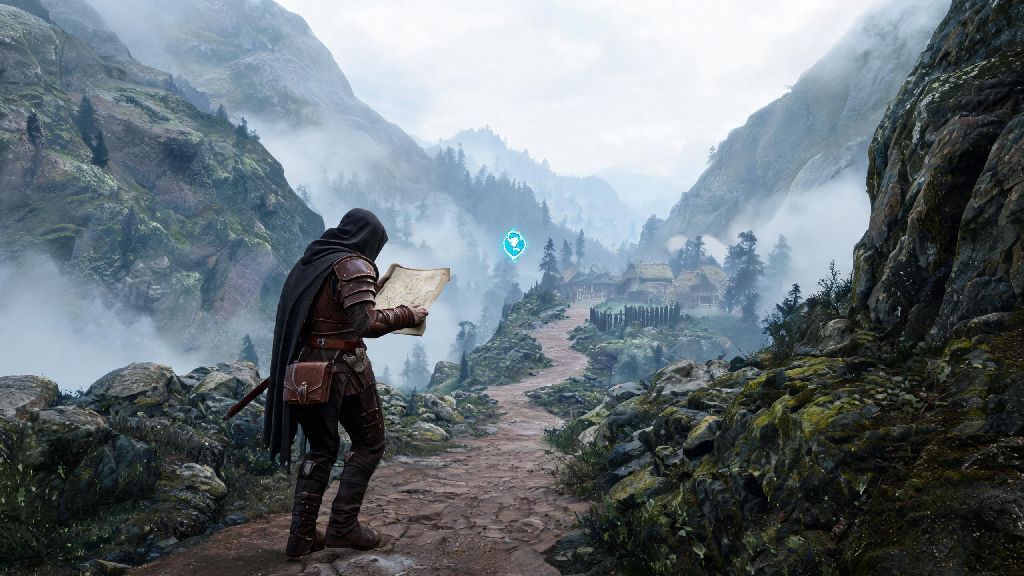
I picked up Where Winds Meet on PS5 last month on a whim, after seeing a friend gush about its wuxia-inspired open world and fluid combat. I went in expecting a standard action RPG, and left my first 10-hour play session blown away by how much depth is packed into every corner of its map. If you’re just starting out, wrapping your head around where winds meet ps5 gameplay systems can feel overwhelming at first—there’s stamina management, world interaction, skill trees, and even a merchant reputation system to keep track of. This guide breaks down all the most important bits I wish I knew before I started, so you can spend less time fumbling with menus and more time pulling off cool wuxia moves across the game’s stunning landscapes.
Core Where Winds Meet PS5 Gameplay Mechanics You Should Master First
Stamina is the single most important resource in the game, and it’s easy to burn through it all mid-climb if you’re not paying attention. Unlike many other open world RPGs, stamina doesn’t regenerate if you’re hanging onto a cliff edge, so you’ll always want to make sure you have at least 30% of your bar full before you start scaling a tall mountain. Stamina management isn’t just for combat—it’s also used for climbing, gliding, and even fast talking your way out of NPC conflicts.
Chi is the second core resource, used for special combat moves, stealth takedowns, and even passive buffs like temporary cold resistance when you’re exploring snowy areas. You can refill chi by landing consecutive light attacks on enemies, or by drinking herbal tea you craft from foraged materials around the map. The third core mechanic to learn is reputation: every village you visit tracks how you treat local NPCs, and being helpful (or a nuisance) will change how they interact with you. Help a farmer fix his cart, and he might give you a discount on crop seeds you need for crafting. Steal from a village merchant, and every shop in the region will charge you double for goods for the next 30 in-game days.
How to Optimize Combat for PS5 Controller Layouts
The PS5’s DualSense controller adds a ton of immersive touches to Where Winds Meet that you won’t find on other platforms, from haptic feedback that rumbles differently when you walk on grass vs stone, to adaptive triggers that get stiffer when you’re drawing a bow fully. A lot of players skip the controller settings menu entirely, but taking 5 minutes to tweak your layout can make combat feel far more responsive. Customizing your trigger dead zones can cut down on input lag by up to 20%, which makes parrying fast enemy attacks far easier.
For example, swapping your heavy attack from R2 to R1 can make combo chaining far easier if you have smaller hands, and turning on vibration intensity for chi attacks will help you feel when a combo is fully charged. If you’re playing on performance mode, you’ll get a steady 60fps during almost all combat encounters, which makes parrying far easier than it is on quality mode that caps at 30fps. If you’re struggling to parry enemy attacks, try switching to performance mode first before you tweak your difficulty settings.
Hidden Exploration Secrets Most Players Miss
Where Winds Meet’s open world is packed with tiny, unmarked details that most players never find during their first playthrough. I stumbled on most of these by accident during my second run, and they made the game feel entirely new. You don’t have to go out of your way to hunt for these secrets, but keeping an eye out for them as you do main quests will give you a ton of nice bonuses that make the early game far less grindy. Some of my favorite hidden secrets include:
Common Gameplay Mistakes to Avoid on Your First Playthrough
It’s easy to fall into bad habits when you first start playing, especially if you’re used to more straightforward open world RPGs. These are the most common mistakes I see new players make, and avoiding them will save you a lot of frustration later on. First, don’t waste all your upgrade materials on your starting weapon. You’ll get a far better rare weapon within the first 5 hours of the main quest, so save your iron ore and chi gems for that instead of wasting them on a weapon you’ll ditch immediately. Upgrading your glider before your weapon will save you dozens of hours of travel time across the game’s massive open world. A level 3 glider lets you travel twice as far as the default one, which makes getting to remote quest locations way faster.
Second, don’t ignore the farming and cooking systems. A lot of players skip these entirely, but cooking high-tier meals gives you buffs like 50% extra stamina and 30% extra attack damage that make boss fights trivial. You can grow all the ingredients you need in the small farm plot you unlock at your home base, so you don’t have to spend hours foraging for materials. You don’t have to fight every enemy you see—many low-level bandit camps can be snuck past for rare loot if you use your stealth chi ability. Fighting every bandit you run into just wastes time and resources, especially if you’re underleveled. Finally, don’t skip side quests. Many side quests give you permanent stat boosts and unique skills that you can’t get from the main quest, and they take far less time to complete than you might think.
At the end of the day, half the fun of Where Winds Meet is stumbling on weird, unmarked events as you wander the map. You don’t have to follow every tip to the letter to have a good time, but these pointers will help you skip the most frustrating parts of the early game. Whether you’re here for the combat, the story, or just to glide across mountain peaks, taking time to learn the ins and outs of where winds meet ps5 gameplay will make your entire playthrough far more rewarding. Don’t be afraid to experiment with different skill builds, stop to help random NPCs, and take detours when you see something interesting off the main path—some of the best moments in the game are the ones the devs don’t mark on your map.