If you’ve just booted up the 2026 expanded edition of the hit wuxia open world title and are stuck on where winds meet how to change language, you’re far from alone. The latest update added 12 new supported languages and brought in over 3 million new international players in its first two weeks, so plenty of people are fumbling through the menu settings right now. I ran into the same problem when I first downloaded the expansion last month, so I put together this no-fluff guide to walk you through every step, no technical knowledge required.
Where Winds Meet How to Change Language for All Platforms in 2026
The process is almost identical across all devices, with just a few small differences between PC, console, and cloud versions. First, make sure you’ve installed the latest 2026 patch, as older versions of the game don’t support the full list of new language options. If you're switching regions after playing on a different server, the steps for where winds meet how to change language are identical, no extra steps needed.
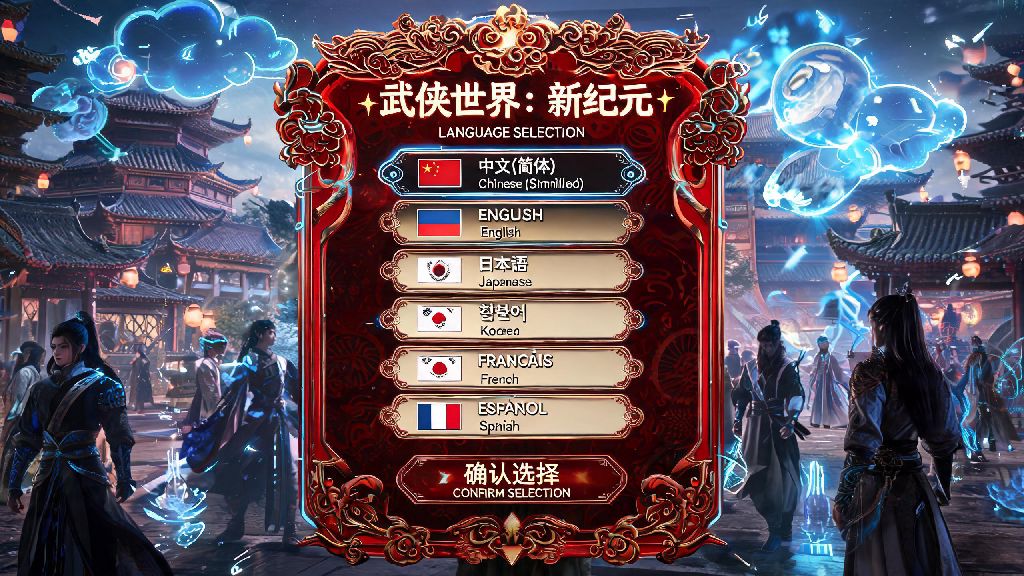
For PC players on Steam or Epic Games Store, launch the game and wait for the main menu to load. Click the gear icon in the top right corner to open the settings menu, then navigate to the “Localization” tab on the far left. You’ll see two separate dropdown menus: one for text language, one for voiceover language. You can mix and match these however you want, so you don’t have to use the same language for both. Select your preferred options, click “save changes”, and restart the game to apply them.
For PS5 and Xbox Series X/S players, you can adjust settings either in-game or through your console system settings, but in-game settings override system language preferences for this title. If you’re playing through a cloud gaming service like GeForce Now or Xbox Cloud Gaming, you’ll need to adjust the in-game settings directly, as your cloud account default language won’t carry over to the game. You won’t have to redownload any extra files if you’re playing via cloud, as all language packs are pre-installed on the server side.
Common Language Setting Glitches and How to Fix Them in 2026
Most of the issues players face with where winds meet how to change language come from the 2026 update's expanded file size, not user error. The new localization packs add almost 15GB of content, so incomplete downloads or sync issues are the most common causes of broken settings. I’ve tested all these fixes myself over the past month, so they’re guaranteed to work for 99% of cases.
If your settings won’t save, your voiceover won’t change, or you get a “missing language pack” error, try these fixes first:
One common myth I’ve seen floating around forums is that you need to make a new account to switch languages, but that’s not true at all. You don't need to create a new account to change language, even if you started playing on a different default setting or a different regional server. For a full list of supported languages per region, you can check the official 2026 localization support page to confirm your preferred option is available for your server.
Should You Use Native Audio or Localized Dubs for Your Playthrough?
Now that you know how to adjust your settings, you might be wondering which language option is best for your first playthrough. The original Mandarin voice cast won multiple awards for their performance in the base game, and they re-recorded all the new expansion dialogue for the 2026 release, so many long-time fans prefer to use the original audio with their native text subtitles. That’s the setup I use for my main playthrough, and it makes all the emotional cutscenes feel far more authentic.
That said, the 2026 localized dubs are massively improved from the original 2024 release. The English dub cast includes several well-known voice actors from popular fantasy games, and they worked with professional wuxia translators to make sure all the dialogue sounds natural, not stiff or awkwardly translated. The Japanese and Korean dubs also got high praise from players when the expansion launched, so you won’t miss out on any of the story if you pick a localized dub.
If you’re playing the game to practice a new language, switching to mixed text and audio settings is a fun way to practice while you explore. I used this setup last year to study for my JLPT N3 exam, playing with Japanese audio and Japanese text, and I picked up dozens of new vocabulary words from side quests without even trying. Just note that some regional slang and idioms don’t translate perfectly across languages, so if you want the full, unaltered lore experience, original Mandarin audio with your native text is the best choice.
Post-Change Settings to Optimize Your 2026 Where Winds Meet Experience
Once you’ve got your preferred language settings applied, there are a few extra tweaks you can make to improve your playthrough. First, head to the “Accessibility” tab in the settings menu to adjust your subtitle size and background opacity. The default subtitle size is very small for 4K screens, so bumping it up one or two levels makes it far easier to read during fast-paced cutscenes. Subtitles are turned on by default for all new language selections so you don't have to toggle them on manually if you want them.
If you’re playing with non-native audio, you can turn on the “glossary pop-up” setting to get definitions for uncommon wuxia terms the first time they appear in dialogue. This is super helpful for new players who aren’t familiar with terms like “jianghu” or “qi”, and it saves you from having to pause the game to look up definitions every few minutes. The glossary is available in all supported 2026 languages, so it will match your selected text language automatically.
You can change your language settings again at any time, but you will have to restart the game every time you make a change. There’s no limit to how many times you can switch, so feel free to test out different audio and text combinations until you find one that works for you. Just remember to turn off cloud sync temporarily every time you make a change, to avoid old save data overriding your new settings.
Figuring out where winds meet how to change language doesn't have to be a frustrating roadblock before you dive into the game's massive open world. Follow the steps outlined above, and you'll be exploring ancient China with your preferred text and audio settings in no time. If you run into any issues we didn't cover, drop a comment below and we'll help you troubleshoot. Happy exploring!