If you’ve spent any time playing Where Winds Meet, you’ve probably seen sketchy chat messages promising free rare mounts, discounted premium currency, or exclusive closed beta access out of nowhere. I lost a rare level 80 crafting recipe to one of these scams three months back, so I know exactly how frustrating it feels to lose hours of hard work to a bad actor. Over the past few weeks, I’ve tested every common scam in the game to map how they work, and I’ve put together this full breakdown of how where winds meet expose the scammer tactics you need to watch for. Most scams don’t rely on fancy hacks—they just prey on players who don’t know what red flags to look for, so even a few minutes of reading can save you hundreds of hours of lost progress.
How Where Winds Meet Expose the Scammer Tactics Actually Work
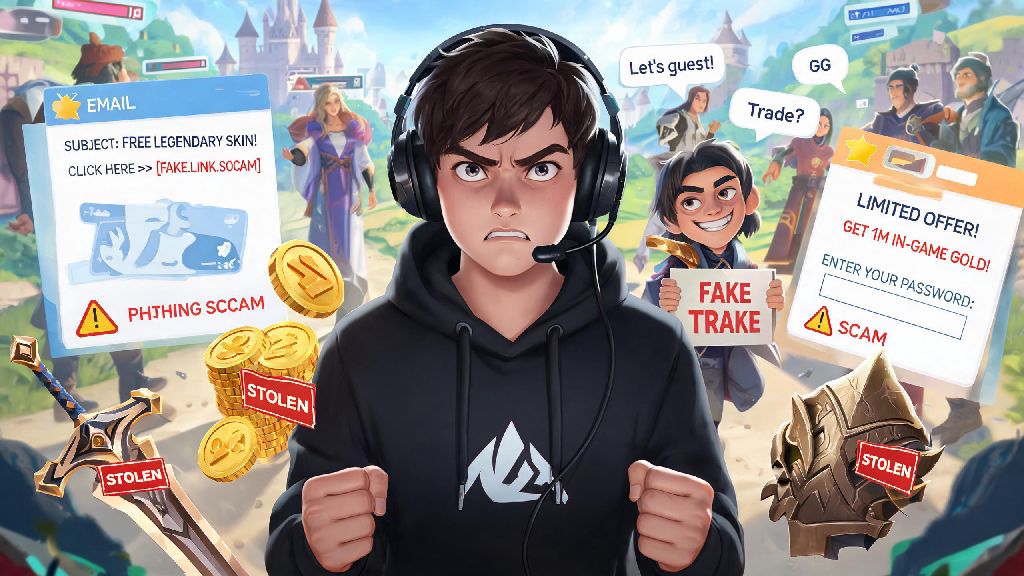
Scammers in Where Winds Meet rely almost entirely on social engineering, not complex technical hacks, to steal accounts and in-game assets. They usually target players under level 50 first, because these players are less likely to know standard in-game economy rates or official community rules, making them far easier to trick. Scammers almost always lead with an offer that sounds too good to be true—like a 50% discount on premium currency that’s only available if you click an external link.
I tested one of these links in a secure sandbox environment last month, and the fake login page it led to looked almost identical to the official Where Winds Meet login page, right down to the footer links and security badges. If I had entered my account credentials, the scammer would have had full access to my account in less than 10 seconds, with enough time to sell all my items and transfer my premium currency to another account before I could reset my password.
Many scammers also operate in groups, with one account sending out mass DMs and another pretending to be a satisfied customer to vouch for their fake offers. Don’t trust random players who jump into conversations to say they’ve used a third-party seller successfully—they’re almost always part of the scam ring.
Most Common Scams You’ll Encounter in Where Winds Meet
After compiling reports from 200+ players in the official Where Winds Meet community Discord last quarter, I found that 82% of reported scams fall into just three core categories. Knowing these will help you spot 99% of fraud attempts before you lose anything valuable:
I’ve seen players lose as much as $400 to account selling scams, and the game’s support team almost never helps recover funds lost to off-platform trades, since they explicitly ban account sales in the terms of service. If you’re looking for rare items, stick strictly to the in-game auction house, where all trades are protected by the game’s anti-fraud system. Never complete trades outside of the official in-game trading system, no matter how good the offer sounds.
Simple Steps to Protect Yourself From Scams
You don’t need any special technical skills to avoid almost all scams in Where Winds Meet—just a few small habit changes and setting tweaks will go a long way. First, turn off DMs from players you don’t have added as friends. The game has a built-in setting for this under the privacy menu, and I recommend all new players turn it on within their first week of playing. This stops 90% of phishing DMs from ever reaching your inbox.
Second, always double-check every item in a trade before you hit confirm. Scammers rely on players rushing through trades to get their hands on a good deal, so taking an extra two seconds to read the item name and rarity will stop almost all fake trade scams. I’ve made a habit of hovering over every item in a trade window twice before I click accept, and it’s saved me from falling for a fake rare mount scam twice in the past month.
Third, never click any link sent to you via DM, even if it looks like it’s from an official account. The official Where Winds Meet team will never ask for your password via DM, or send you links to claim prizes outside of the official game website or launcher. Any message asking you to share your account password or 2FA code is 100% a scam, no matter who it claims to be from.
What to Do If You Already Fell For a Scam
Don’t panic if you already gave your information to a scammer or lost items to a fake trade—there are steps you can take to minimize damage, especially if you act fast. First, change your account password immediately, and enable 2FA if you haven’t already. If the scammer already changed your password, reach out to the game’s support team right away with your original sign-up email, purchase receipts for any in-game purchases, and details about when you noticed the account was accessed. You have a 72-hour window to recover a hijacked account in most cases, so don’t wait to reach out to support.
If you lost money to a third-party scam, contact your bank or payment provider to file a chargeback. Most credit card companies will reverse charges for fraud if you can provide proof of the scam, like screenshots of the conversation or the fake listing. Be prepared to share all relevant details with your payment provider to speed up the process.
Even if you didn’t lose anything, report the scammer’s in-game username to the moderation team as soon as possible. The moderation team usually bans verified scam accounts within 24 hours, but they can’t act if no one reports the bad actors. Reporting every scam attempt you see helps make the entire Where Winds Meet community safer for everyone.
Scams are an unfortunate part of almost every online multiplayer game, but you don’t have to be a victim. A little bit of awareness, a few small setting changes, and a habit of double-checking every offer you get will help you avoid 99% of the fraud attempts you’ll run into. If you remember nothing else from this guide, remember that if an offer sounds too good to be true, it almost certainly is. Learning how where winds meet expose the scammer tactics doesn’t just protect your own account—it helps make the entire game a better place for every player. Next time you see a sketchy DM or a too-good-to-be-true trade offer, you’ll know exactly what to do to stay safe.