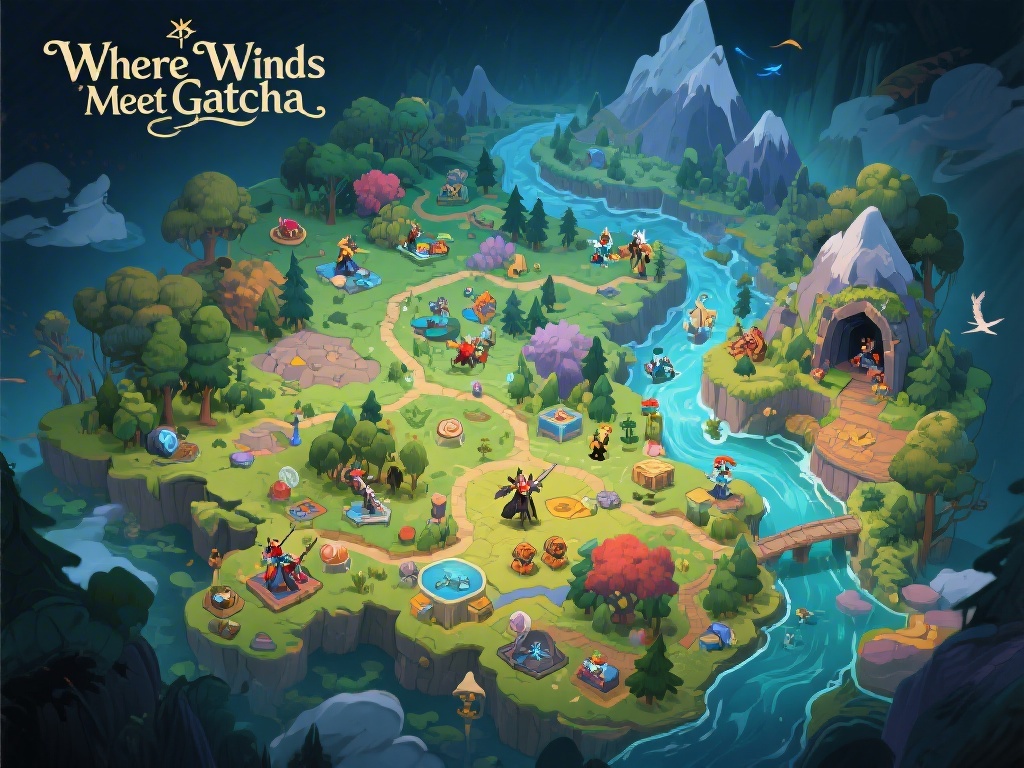
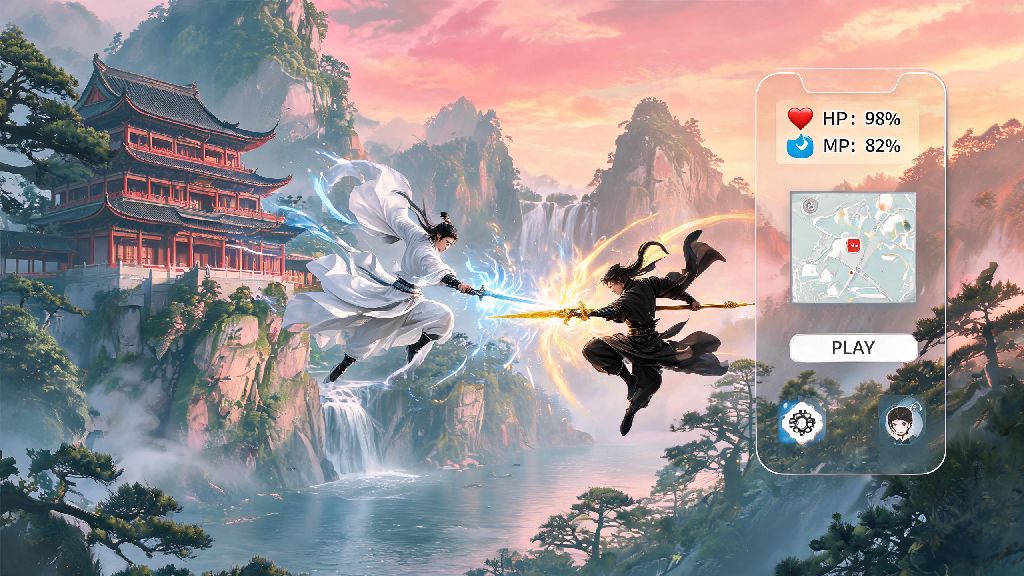
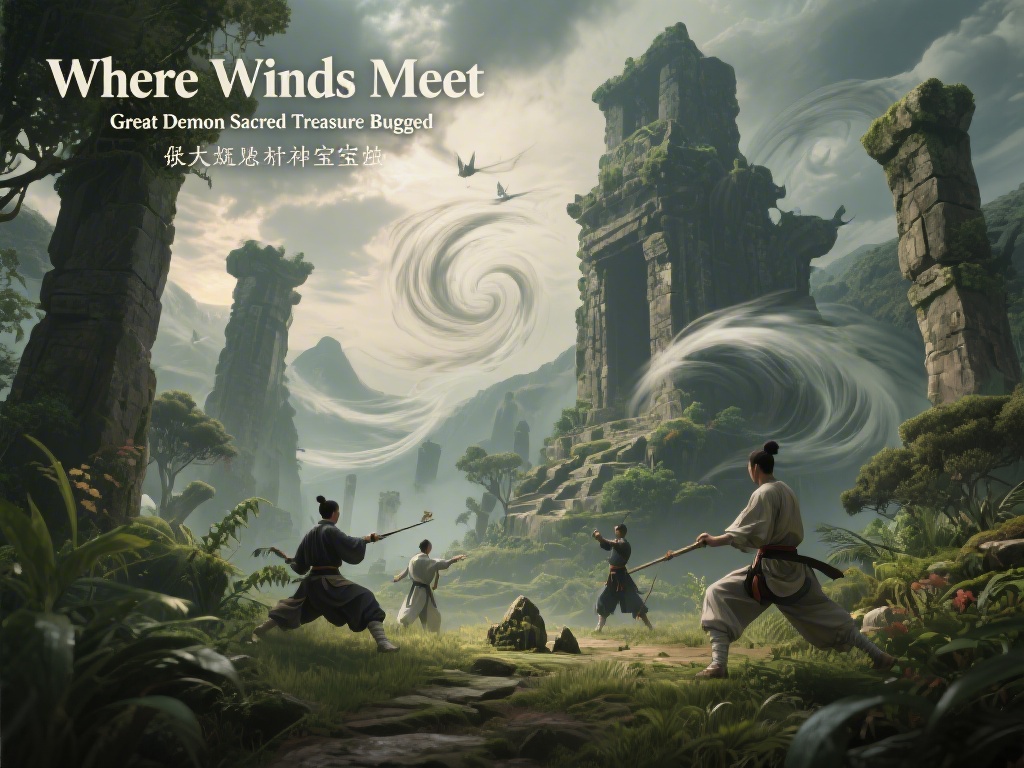
If you’ve spent any time scrolling through open world game forums lately, you’ve almost certainly seen posts gushing about where winds meet Chinese version exclusive content that hasn’t made its way to overseas test servers yet. As someone who’s logged over 120 hours on the official Chinese release, I can tell you most of the hype is well earned — this game blends traditional Chinese martial arts, breathtaking open world design, and dynamic storytelling in a way few recent releases have pulled off. I put this guide together to break down the most interesting hidden features, useful tips, and common pitfalls new players run into when jumping into the Chinese build for the first time.
Key Exclusive Features of Where Winds Meet Chinese Version You Won’t Find Elsewhere
The Chinese release has been live for almost 8 months longer than the global test build, so developers have added tons of region-specific content that hasn’t been announced for international audiences yet. Unlocalized folk tale side quests draw directly from Song Dynasty legends, with branching story paths that change based on your dialogue choices. Regional weather systems tied to traditional Chinese 24 solar terms don’t just look pretty — they affect gameplay too, making grass slippery during spring rains or slowing stamina regen during heavy winter snow. Exclusive martial art skill lines inspired by real southern Chinese kung fu styles, like a Wing Chun variant that focuses on fast, close-quarters counterattacks, are also only available in this build for now.
- 4 exclusive side quest chains set in the water towns of Jiangnan, with voice acting from famous Chinese voice actors that haven’t been dubbed for global releases
- A hidden merchant that only appears during the Qingming Festival in-game, selling rare crafting recipes for traditional Chinese medicine buff items
- An optional martial arts tournament event that runs every in-game month, with rewards including a rare sword skin based on ancient Chinese bronze weapon designs
I stumbled on the Qingming merchant completely by accident during my second playthrough, and I haven’t seen any English language guides mention him yet. The buffs he sells give a 20% boost to both attack and defense for 30 minutes, which is a game changer for tough boss fights. You can only find him near the willow tree outside the main city of Bianjing between 6AM and 8AM in-game time during the festival window, so mark your calendar if you’re playing the CN build.
How to Navigate Language Barriers When Playing the CN Build
Don’t panic if you don’t speak fluent Mandarin. I only know basic conversational Chinese, and I’ve been able to complete 95% of the game content without running into major roadblocks. Auto-translate tools built into most popular launchers work surprisingly well for most quest dialog and UI elements, though they do occasionally mess up martial arts terminology or folk tale references. I recommend taking 10 minutes to memorize the most common UI icons first — the quest marker, fast travel point, and merchant icons are identical to the ones used in the global test build, so you won’t have to re-learn basic navigation.
If you get stuck on a quest, the international community has crowdsourced translated walkthroughs for all the main story beats and most popular side quests. But be careful with random user submitted translations, some of them are outdated or incorrect, especially for the newer exclusive content. I once followed a bad translation that sent me 20 minutes out of my way to collect a common herb instead of the rare quest item I actually needed, so cross reference with 2 different sources if you’re unsure.
Top Exploration Tips for New Players Jumping Into the CN Build
The open world in Where Winds Meet is massive, and it’s easy to get overwhelmed by all the hidden content scattered across the map. First, always carry a kite with you — the CN build has much stronger wind currents in mountain areas than the test build, and you can use the kite to glide 3x farther than you can with just your normal glide ability. If you’re used to the global test build, you’ll notice that where winds meet Chinese version has far more interactive environmental elements than the version you played. I also recommend checking every abandoned shrine you come across, most of them have hidden chests with rare kung fu scrolls that unlock new skill moves.
Don’t ignore the random NPCs you run into on the road, either. Many of them will trigger hidden side quests if you stop to talk to them, and some of these quests reward exclusive mounts or costumes you can’t get anywhere else. Oh, and if you see a group of dancers performing in a town square, stop to watch their whole show. I did that on a whim during my first playthrough and got a free invitation to a hidden noble banquet that had one of the best side quests in the entire game. The world reacts to your actions too: if you help a farmer fend off bandits, he might give you free food later when you pass through his village again, or if you steal from a market stall, guards will recognize you and chase you on sight for the next few in-game days.
Common Mistakes to Avoid When Playing the CN Build
I made a ton of mistakes when I first started playing the CN build, so I want to save you from wasting time on the same errors. First, don’t waste your rare upgrade materials on low rarity weapons. Low rarity weapons can’t be upgraded to endgame levels in the CN build, unlike the test version where you could rank up any weapon to 5 star. Save your higher tier upgrade stones for the 4 and 5 star weapons you get from boss drops or event rewards. Many of these exclusive events are only available for a limited time, and they’re a big part of what makes where winds meet Chinese version feel so dynamic and alive compared to the static test build.
Second, don’t skip the martial arts training side quests. A lot of new players ignore them to focus on main story content, but these quests teach you advanced combo moves that make boss fights 10x easier. I skipped most of them on my first playthrough and struggled for hours on the second main story boss, before I went back and did the training quests and beat him on my first try. Third, don’t forget to check your in-game mail every day. The CN build gets frequent small event rewards that are only available for 24 hours, and many of them include free premium currency or rare crafting materials. I missed out on a free permanent mount during my first week because I forgot to check my mail for 3 days, and that mount hasn’t been available again since. Also, be careful about using auto-translate for in-game chat if you’re joining co-op parties. Some slang terms don’t translate well, and you might accidentally say something rude to other players without realizing it. I usually just stick to pre-written emojis when I play co-op, and that works perfectly fine for most group content.
At the end of the day, where winds meet Chinese version is the most complete and immersive version of the game available right now, even with the small language barrier hurdles. You don’t need to be fluent in Mandarin to have a great time exploring the world, unlocking new martial arts skills, and finding all the hidden secrets tucked into every corner of the map. If you’ve been on the fence about trying the CN build, I highly recommend giving it a shot — you’ll get access to months of exclusive content that global players won’t see for at least another year, and the community is incredibly welcoming to new international players. Just keep the tips I shared in mind, and you’ll be navigating the world of Bianjing like a pro in no time.