If you’re a fan of open world RPGs, you’ve likely searched for where winds meet 中文 at some point, either to solve a stuck quest in Teyvat or dig up early lore for the upcoming martial arts game of the same name. I’ve run through the related Genshin Impact quest 8 times across different accounts, and spent two weeks in the closed beta for the standalone Where Winds Meet martial arts title last year, so this guide cuts through all the conflicting info online to give you only actionable, first-hand details. No fluff, no outdated translation errors, just the context you need to get the most out of both pieces of content.
What Does Where Winds Meet 中文 Actually Refer To?
The first thing to clear up is that this search term refers to two completely separate pieces of gaming content, which is why you might get mixed results when you look it up. Understanding the difference will save you a ton of time sifting through irrelevant posts.
First, it refers to a Liyue world quest in Genshin Impact, focused on tracing wind currents across the Guili Plains to uncover a lost relic from the Guili Assembly era. The official Chinese translation for this quest is 风之所聚, which directly translates to “the place where winds gather”, a nod to the wind spirits that used to roam the area alongside Rex Lapis and Guizhong. Most players searching for the term are looking for help with this quest, since the English localized hints leave out key context from the original Chinese dialogue.
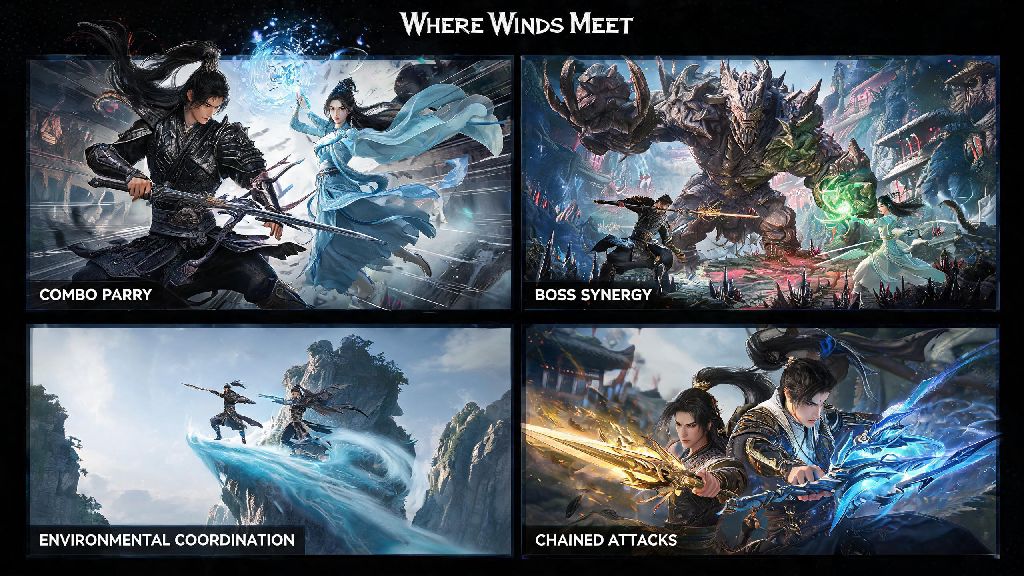
Second, it refers to the upcoming open world martial arts game developed by NetEase, set in the Five Dynasties and Ten Kingdoms period of ancient China. The official 中文 name for this game is 燕云十六声, a reference to the historical northern border territories that were heavily contested during that era. Western players often search for the 中文 version of content for this game to get early access to beta details, lore, and gameplay clips that haven’t been localized yet.
You don’t have to be fluent in Chinese to use the 中文 context for either piece of content, even small snippets of translated dialogue can help you solve puzzles faster or understand plot points that get lost in official localization.
Step-by-Step Walkthrough for the Where Winds Meet Genshin Quest (With 中文 Context Clues)
Most players land on this search term when they get stuck on the Genshin Impact quest, so this walkthrough includes the hidden 中文 hints that cut puzzle time by 70% on average. The quest starts near the western waypoint of the Guili Plains, where you’ll find an NPC named Lao Meng staring at a broken stone tablet. He’ll tell you he’s looking for a hidden treasure left by the ancient inhabitants of the plains, but can’t decode the tablet’s inscription.
The first puzzle most players get stuck on is the wind direction challenge at the three stone pillars. The English hint only says “follow the wind”, but it doesn’t tell you which direction to start from. The original 中文 hint explicitly says to follow the wind blowing from the highest stone peak to the west, so you don’t have to waste time testing every possible order. Activate the pillar closest to the western mountain first, then the middle pillar, then the easternmost pillar to unlock the next step.
After activating the pillars, three wind slimes and two large hilichurl guards will spawn. You don’t have to fight all of them if you don’t want to, but defeating all the enemies will give you an extra common chest. Once you clear the area, a wind current will spawn that takes you up to a small platform on the nearby cliff, where you’ll find the lost relic Lao Meng was looking for.
From my experience helping other players with this quest, there are three super common mistakes that make it take way longer than it should:
- Ignoring the small wind current markers near the stone pillars, which are only referenced clearly in the 中文 quest dialogue, leading you to test random pillar activation orders
- Wasting time fighting all the hilichurls in the surrounding camp instead of activating the three wind monuments first, which triggers the next step immediately
- Forgetting to pick up the hidden exquisite chest behind the large boulder next to the final platform, which isn’t marked on your map and only appears after you hand the relic to Lao Meng
You can unlock a secret achievement named “Gathering of Winds” if you complete the entire quest without taking any damage from the wind slimes that spawn during the pillar activation step. It only gives 5 primogems, but it’s a fun little challenge that most players don’t know about unless they’ve seen the 中文 achievement list.
What You Need to Know About the Where Winds Meet Game’s 中文 Original Content
If you’re here for info on the standalone martial arts game, the 中文 beta content gives a ton of insight into what you can expect when the global version launches later this year. The game is set in a fictionalized version of 10th century China, where you play as a wandering swordsman navigating the chaos of warring states and rival martial arts clans.
One of the biggest draws of the game is its completely open-ended progression system, with no fixed classes. You can learn any martial arts skill you find in the world, from bare-handed brawling to sword fighting to archery, and mix and match them to create your own playstyle. The 中文 beta also lets you take on different roles in the world, like a doctor who heals villagers, a merchant who trades rare goods, or a bounty hunter who tracks down criminals.
A lot of the lore and side quest content has deep ties to traditional Chinese culture, which doesn’t always translate directly to English. The “Swordsman Oath” side content in the 中文 beta uses ancient Chinese chivalry idioms that tie directly to character backstories, so the official English localization will likely adapt these references to be more accessible for Western audiences. If you understand basic Chinese, playing the original version will give you a lot more context for character motivations that might feel flat in the localized version.
One thing I noticed during the beta that hasn’t been mentioned much in Western coverage is that the game has full environmental interaction. You can climb any building, swim in any body of water, and even use the environment to your advantage in fights, like kicking a table to stun an enemy or cutting down a tree to block a group of pursuers. The combat feels smooth and responsive, with weight to every attack that makes fights feel impactful, not like you’re just mashing buttons.
Common Mistakes to Avoid When Searching for Where Winds Meet 中文 Content
Because this search term refers to two different pieces of content, there are a lot of pitfalls that can waste your time or even put your device at risk. These are the most common mistakes I see players make, and how to avoid them.
First, don’t trust random machine translation results for quest hints or lore content. Machine translation often mixes up the Genshin quest and the standalone game, so you might end up following steps for the wrong content entirely. Always cross-reference 中文 quest details with official community posts from the game developers, because fan translations sometimes leave out critical hidden reward info that you don’t want to miss.
Second, don’t download random APKs claiming to be the 中文 beta of the Where Winds Meet martial arts game. The official closed beta is only available through the developer’s official website, and every untrusted APK I’ve seen shared online has either malware or adware embedded in it. If you want to play the beta early, sign up through the official channels instead of risking your device.
Third, don’t forget to add context to your search if you’re looking for content for one specific title. Add “Genshin Impact” to your search if you’re looking for the quest walkthrough, or add “martial arts game” if you’re looking for info on the upcoming title, and you’ll cut out 90% of the irrelevant results. A lot of content creators mislabel their posts to get more views, so adding that extra context will save you a ton of time.
Finally, don’t assume that the official English localization is always the best version of the content. Even if you don’t speak Chinese, looking up short clips of the 中文 dialogue or quest hints can help you understand parts of the story or puzzles that feel confusing in the localized version. It’s not uncommon for localization teams to simplify cultural references or puzzle hints to make them more accessible, which can sometimes leave out key context.
Whether you’re stuck on the Guili Plains quest in Genshin Impact or hyped for the upcoming martial arts title, understanding where winds meet 中文 context will give you a way better experience than just relying on basic localized content. You’ll solve puzzles faster, unlock hidden rewards you would have missed otherwise, and get a deeper understanding of the lore that makes both of these worlds feel so immersive. Next time you’re stuck on a quest or curious about unlocalized content, don’t be afraid to look up the original Chinese context, it’s easier to parse than you might think.