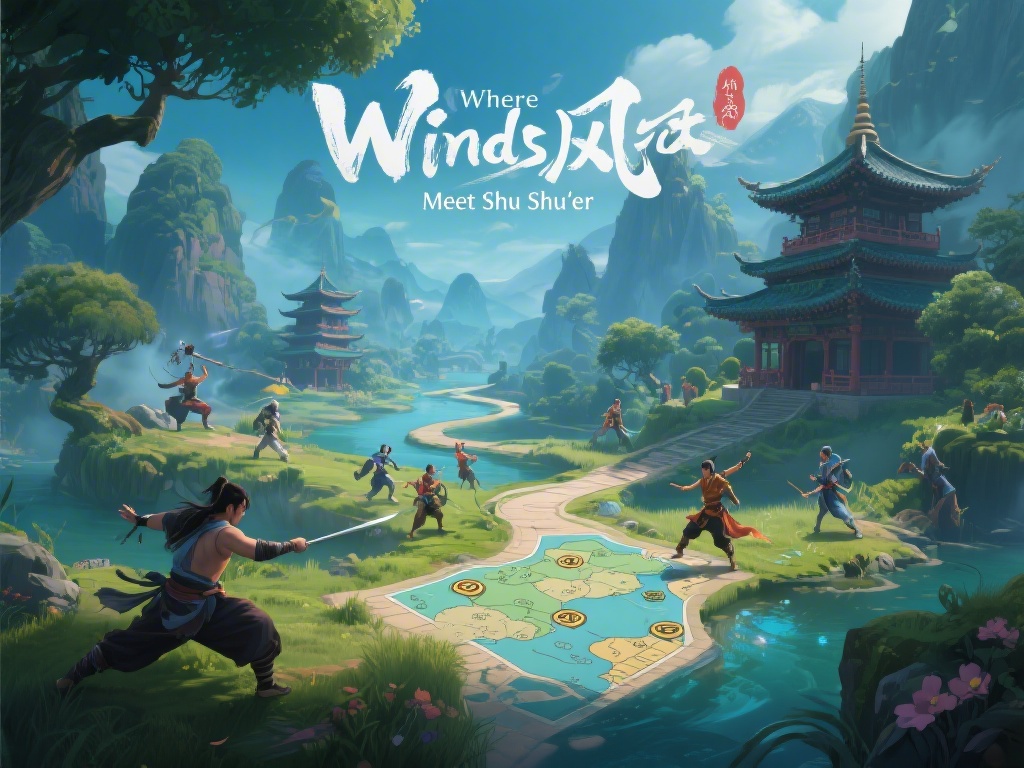
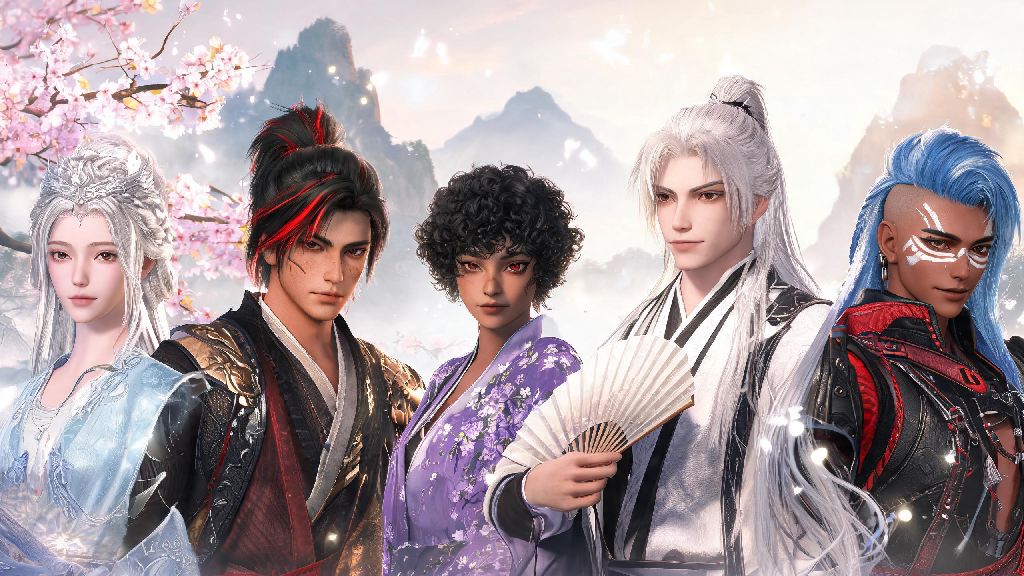
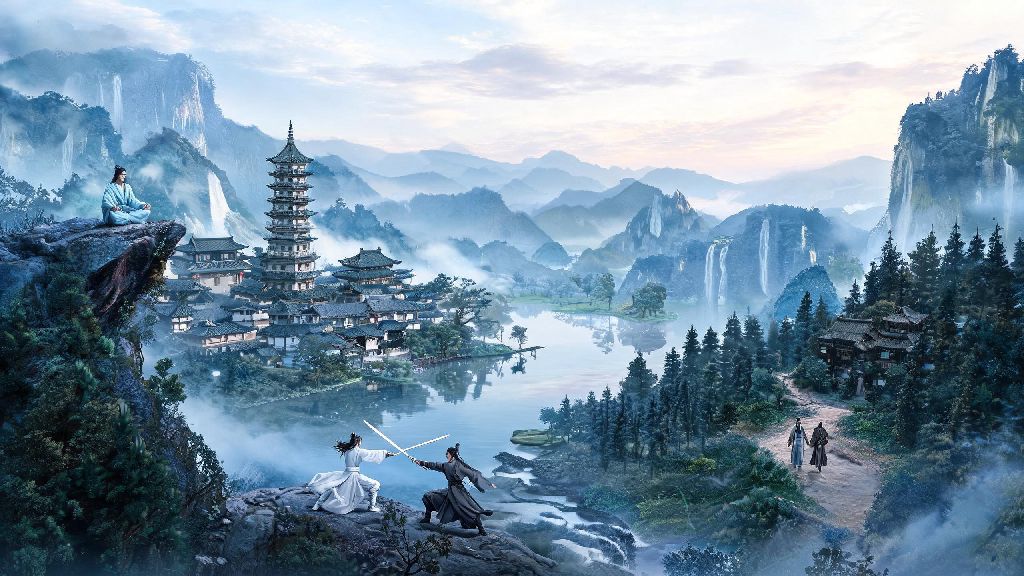
After spending 40 hours playing the closed beta of the highly anticipated wuxia title, one question I get more than any other is: Is Where Winds Meet an MMO? I get the confusion. Early marketing focused heavily on its sweeping single-player narrative and immersive martial arts combat, with very little footage of other players interacting. Having tested both the solo and multiplayer sides of the game, I’m breaking down exactly what genre it falls into, what you can expect if you pick it up, and who will get the most enjoyment out of it. You won’t find any vague takes here—all the info below comes from my actual hands-on playtime.
Core Features That Answer If Is Where Winds Meet an MMO
First, let’s define what qualifies a game as an MMO for context. A true massively multiplayer online game hosts hundreds or thousands of concurrent players on a shared, persistent open world, with built-in social systems for collaboration and competition. When you line those requirements up against Where Winds Meet, it checks every box. Each game server supports up to 2000 concurrent players at launch, with plans to raise that cap post-release as server stability improves.
The entire 100+ square kilometer open world is shared by all players on a server, outside of instanced story dungeons and private player housing plots. I regularly ran into other players while exploring mountain valleys or hunting rare crafting materials during the beta, and I even joined a random group to take down a world boss that was terrorizing a small village. The game also has full guild systems, 100v100 PvP battlefields, and a shared player economy, all standard features for modern MMOs.
That said, it does have more robust single-player content than most MMOs on the market. You can play through the entire 30-hour main story arc without ever interacting with another player if you want, thanks to dynamic server sharding that keeps low-level story areas quiet for players who prefer a solo experience. But if you choose to engage with the multiplayer content, it’s fully integrated, not an afterthought. Many fans assume Is Where Winds Meet an MMO only because of its multiplayer features, but it’s the persistent shared world and social progression systems that make the classification stick.
Key Gameplay Mechanics That Make It Stand Out From Other MMOs
If you’re used to standard tab-target MMOs with fixed classes and rigid daily grind schedules, this game will feel like a breath of fresh air. Its biggest unique selling point is its freeform martial arts customization system. There are no set classes. Instead, you learn different martial arts styles from NPCs, quest rewards, and hidden scrolls found around the world, and you can mix and match moves to create a playstyle that fits you. I ran a hybrid build that mixed fast sword strikes with healing herbalism abilities during the beta, and it worked perfectly for both solo questing and group PvE runs.
Non-combat gameplay is also far more developed than most competing MMOs. You can pursue completely non-violent playthroughs if that’s what you enjoy, with progression paths that don’t require you to fight a single enemy. Some of the most popular non-combat features from the beta include:
- Traditional Chinese craft systems: You can practice herbalism, tea making, calligraphy, and even antique restoration, all with realistic, lore-aligned minigames that reward you with rare buffs and in-game currency. I spent three hours just perfecting my tea making skill instead of progressing the main story, no regrets.
- Dynamic reputation system: Your choices in side quests and open-world interactions change how NPCs treat you, from giving you exclusive discounts at shops to calling guards on you if you get a reputation as a troublemaker. I accidentally stole a bun from a street vendor early on, and that same vendor refused to sell me healing items for the next 10 hours of playtime.
- Player-run economy: All crafting materials, rare gear, and even property can be traded between players on a public marketplace, with no pay-to-win items sold in the in-game cash shop. I made enough currency selling rare herbs I foraged to buy a small plot of land for my house before the beta ended.
Who Is This Game Best Suited For?
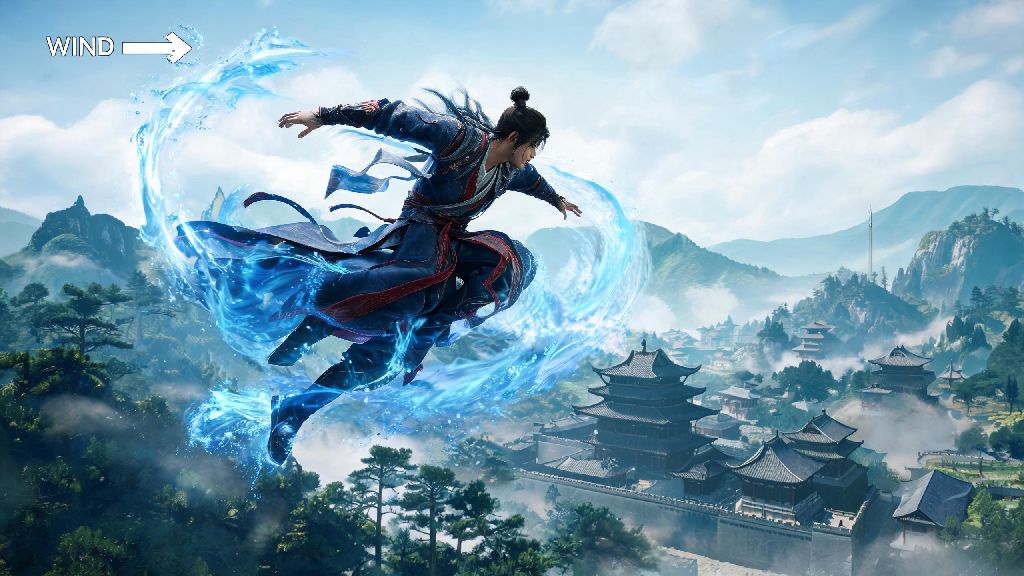
First and foremost, wuxia genre fans will get the most out of this game, even if you don’t usually play MMOs. The devs clearly have a deep love for classic wuxia novels and films, and every part of the world feels authentic to the genre. You can pull off gravity-defying leaps with your qinggong (lightness skill), fight off 20 bandits at once with a single sword move, and even make moral choices that align with classic wuxia values of justice and honor. I even ran into a side quest that was a direct reference to a classic Jin Yong novel, which was a really nice touch for long-time fans.
Casual MMO players will also love this title, because there are no mandatory daily or weekly quests that force you to log in every day to stay competitive. You can log in for an hour a week to forage herbs and work on your house, or play 20 hours a week to grind for rare gear and compete in PvP battles, and both playstyles are equally valid. The devs have explicitly stated they don’t want to add FOMO-driven limited-time content that punishes players for taking breaks, which is a huge win for casual players.
Hardcore PvP players will find a lot to love too, with open-world PvP zones, ranked 1v1 duels, and large-scale guild territory wars that let your guild take control of entire towns and set tax rates for NPC shops. If you don’t like PvP, you can turn off PvP flags in most safe areas, so you never have to worry about being ganked while you’re foraging or doing story quests. If you hate PvP entirely, you can ignore all PvP content completely and still access 100% of the PvE and crafting progression paths.
Common Misconceptions About Where Winds Meet
The biggest misconception I see online is that the game is only for Chinese-speaking players. That’s completely false. The launch version will have full English text and voice acting, plus support for 12 other languages. I played the English version of the beta, and the translation was high quality, with no awkward machine translation errors or out-of-place dialogue. The voice acting was surprisingly good too, especially for the main story characters.
Another common misconception is that the game is pay-to-win. I checked the cash shop thoroughly during the beta, and I can confirm that cash shop only sells cosmetic items like clothing, house decorations, and mount skins. There are no experience boosts, stat-enhancing items, or power-selling packs available for real money. All endgame gear and progression items are earned through gameplay, either from quests, dungeons, or crafting. The devs have also promised they will never add pay-to-win items in future updates, which is a big commitment for a live-service MMO.
Many people also assume that the game requires a high-end PC to run, but that’s not the case either. I tested it on a mid-range laptop with a GTX 1660 graphics card, and I was able to run it at 60 FPS on medium settings with no performance issues. The minimum system requirements are surprisingly low, so most people with a PC built in the last 5 years will be able to run it without problems. There are also plans for a console release a few months after the PC launch, for players who prefer to play on console.
So if you’ve been asking if Is Where Winds Meet an MMO, the short answer is yes, with a healthy dose of single-player wuxia RPG depth that makes it accessible for almost every type of player. It doesn’t force you to play with others if you don’t want to, but the multiplayer content is rich and well-developed if you choose to engage with it. I already pre-ordered the deluxe edition after the beta ended, and I’m planning to start a guild for casual players when the game launches. If you’re on the fence, I’d recommend giving it a try when the free demo drops next month—you might be surprised by how much you enjoy it.