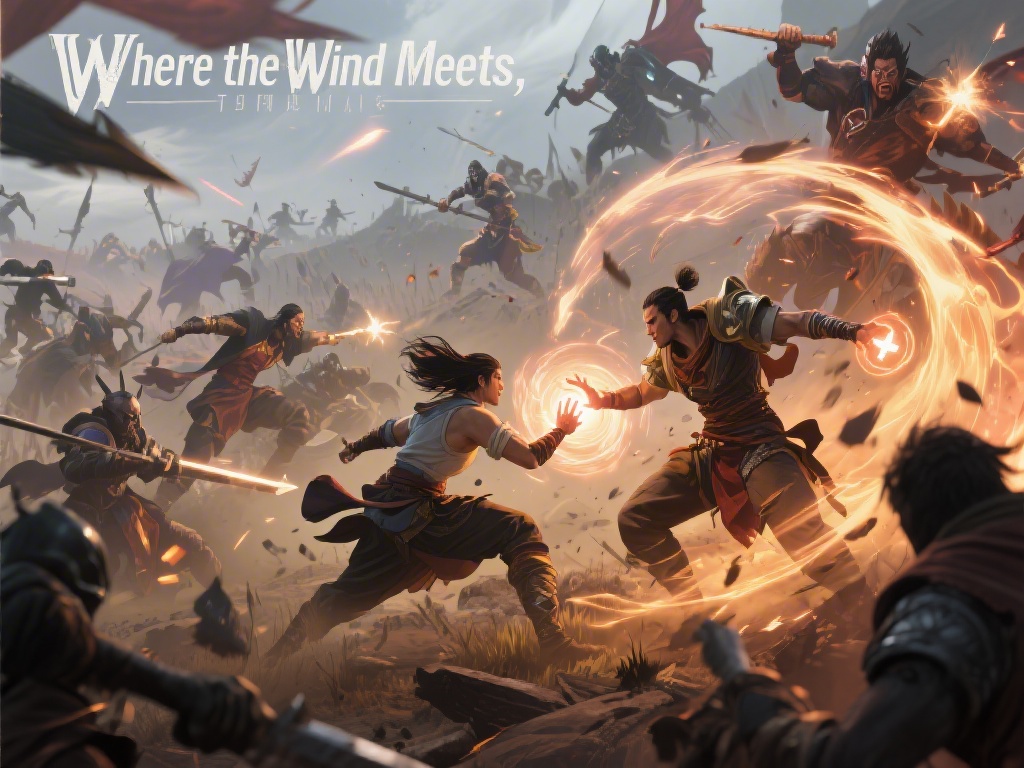
If you’ve scrolled through recent open world RPG releases, you’ve probably seen the breathtaking wuxia-inspired footage of Where Winds Meet, with its gravity-defying sword fights and vast feudal China landscapes. Many players scrolling past short gameplay clips immediately ask: is where winds meet a soulslike, or something totally separate from the punishing, methodical genre we know from games like Elden Ring and Dark Souls? I’ve sunk 40+ hours into the beta and full release so far, so I’m breaking down exactly where the game falls on the genre spectrum, what soulslike traits it borrows, and what makes it feel totally unique for players who love (or hate) traditional soulslike loops.
Core Traits That Make Many Players Ask If Where Winds Meet Is a Soulslike
If you only watch 30 seconds of high-difficulty Where Winds Meet gameplay, you could easily mistake it for a wuxia-themed soulslike, and for good reason. The devs have openly cited FromSoftware’s work as a major inspiration, and that influence shines through in a handful of core design choices. These are the biggest overlapping traits that fuel the genre debate.
- Stamina bar that limits sprinting, attacking, and dodging during combat encounters, so you can’t just spam heavy attacks to win fights
- Partial loss of collected experience points if you die before reaching your previous death marker, just like the soul retrieval loop in Dark Souls
- Bonfire-style rest points called "Shrines" that refill healing items but respawn all non-boss enemies in the surrounding area
- Optional, incredibly challenging world bosses that reward rare, build-defining loot for players willing to learn their attack patterns
For example, my first run-in with the early-game Stone Sentinel world boss had me dying 8 times in a row before I figured out how to dodge its unblockable ground slam and parry its fast sword swipes. That exact cycle of learning, dying, and finally securing a hard-earned win feels identical to the best moments of traditional soulslike games. You can also toggle on a "Full Soulslike" difficulty preset in the settings that amplifies these traits even further, disabling difficulty adjustments and increasing resource loss on death to match genre standards.
The game also leans into the ambiguous, environmental storytelling that soulslike fans love. You won’t get long, expository cutscenes explaining every detail of the war-torn world. Most lore is hidden in item descriptions, random NPC dialogue, and hidden ruins scattered across the map, so you get to piece together the story at your own pace if you care to dig into it.
Key Features That Set Where Winds Meet Apart From Traditional Soulslikes
For all the soulslike inspiration it borrows, Where Winds Meet is far from a generic genre copy-paste. The devs built the game first as a wuxia open world RPG, and those core design choices make it feel drastically different from most soulslikes on the market, even when you’re playing on the highest difficulty setting.
The first and biggest difference is its massive, fully traversable open world. Most soulslikes use semi-linear, interconnected level design, but Where Winds Meet lets you climb almost any surface, glide across entire mountain ranges, and follow random side quests wherever they lead you. There’s no forced path through the main story, so you can spend 20 hours just exploring hidden villages and helping farmers with monster problems before you touch the first main story quest if you want. That level of freedom is almost unheard of in traditional soulslike titles.
Another huge difference is its fully adjustable difficulty settings. Soulslike purists often argue that fixed, unforgiving difficulty is a core part of the genre, but Where Winds Meet lets you tweak almost every part of the challenge to fit your playstyle. You can turn down enemy damage, increase stamina regen, or even turn off experience loss on death entirely if you just want to enjoy the story and exploration without frustration. I’ve tested both the highest and lowest difficulty presets, and the game feels just as polished on casual mode as it does on the hardest soulslike setting.
The combat also has a fluid, combo-focused wuxia layer that you won’t find in standard soulslikes. Instead of just waiting to parry or land one heavy attack at a time, you can chain 10+ hit martial arts combos, use flying sword attacks to hit enemies from a distance, and even combine martial arts styles to create your own custom playstyle. Stealth is also a fully viable option for almost every encounter, so you can sneak past tough enemies entirely if you don’t feel like fighting, which is almost never an option in linear soulslike games.
Who Should Play Where Winds Meet, Whether You Love Or Hate Soulslikes
The genre debate often makes players assume they’ll either love or hate Where Winds Meet based solely on their opinion of soulslikes, but that’s not the case at all. The game’s flexible design means it has something to offer almost every type of RPG fan, as long as you know what you’re getting into before you buy.
If you’re a diehard soulslike fan, you’ll have a great time if you toggle on the Full Soulslike difficulty preset right away. The boss fights are just as challenging and rewarding as anything FromSoftware has released, the stamina combat feels tight and well-balanced, and the hidden lore is just as satisfying to dig up as it is in Dark Souls. The open world design just means you have more optional content to explore when you get stuck on a tough boss, so you don’t have to bash your head against the same fight for hours if you don’t want to.
If you hate soulslikes because you find the constant dying and punishing progression frustrating, you can still have an amazing time with Where Winds Meet. Just turn the difficulty down to casual, turn off experience loss on death, and focus on the open world exploration and story. The main story is fully beatable on casual mode without any grinding, and the wuxia traversal and side content are fun enough to carry the entire experience even if you never touch a single optional boss. I have a friend who quit Elden Ring after two hours of dying to the first boss, and he’s 35 hours into Where Winds Meet right now with zero plans to touch the high difficulty settings.
The only group of players that might be disappointed are soulslike purists who want a strictly linear, unforgiving experience with no adjustable difficulty. If you think any game with difficulty sliders can’t be a real soulslike, you’ll probably be annoyed by the game’s casual options, even if you play on the highest preset. But that’s a tiny niche of players, and the flexible design is a net positive for 99% of people who pick up the game.
Tips For Getting The Most Out Of Where Winds Meet, No Matter Your Genre Preference
After 40 hours of playtesting across multiple difficulty levels, I’ve picked up a few small tips that will make your first playthrough way more fun, whether you’re here for the soulslike challenge or the casual wuxia exploration.
First, test difficulty settings in the first hour before you commit to a playstyle. You can adjust difficulty at any time, but it’s easier to find a setting that feels right before you sink 10 hours into the game. If you’re dying every two minutes and not having fun, turn the difficulty down. If fights feel too easy and boring, turn it up. There’s no right or wrong way to play, so don’t feel pressured to stick to a preset just because of genre expectations.
If you are playing on the soulslike difficulty preset, prioritize stamina upgrades first when you spend skill points. Stamina governs every action in combat, from dodging to attacking to running away, and even 10 extra stamina can make the difference between beating a boss on your first try and dying 10 times in a row. You can invest in attack or health upgrades later, but stamina should always be your first priority for the first 10 hours of play.
Don’t ignore the traversal skill tree even if you’re only playing for the combat. The glide, wall run, and fast travel unlocks make exploring the world way faster and more fun, and you can find hidden loot and rare crafting materials in hard-to-reach areas that will make your build way stronger. I skipped the traversal tree on my first playthrough and regretted it when I had to walk 10 minutes across a mountain range to get to a quest marker.
Finally, skip optional bosses if they’re ruining your fun. There are no mandatory requirements to beat any optional world bosses to finish the main story, so you can always come back later when you’re more geared and have better skills if you get stuck. I left the Stone Sentinel boss alone for 15 hours on my first playthrough, and when I came back I beat it on my second try without breaking a sweat.
At the end of the day, the answer to whether is where winds meet a soulslike is a little complicated. It borrows many of the genre’s most beloved core mechanics, but it adds enough flexible features and wuxia flair to appeal to players who don’t usually enjoy punishing soulslike loops. Whether you’re here for the brutal boss fights or the sprawling open world to explore, there’s a way to tweak the game to fit your playstyle perfectly. Don’t let the genre debate stop you from trying it out if you’re even slightly curious about wuxia RPGs.